
Industrial filtration · B2B enquiries
Stainless Steel Dutch Weave Wire Mesh
Dutch weave wire mesh is a dense stainless steel filter cloth made with different warp and weft counts and wire diameters. Compare plain and twill Dutch constructions below, then send your target retention, operating conditions and finished dimensions for a specification-based quotation.
- Plain and twill Dutch constructions
- Warp × weft reference specifications
- Filtration method agreed before production
- Rolls and drawing-based cut pieces
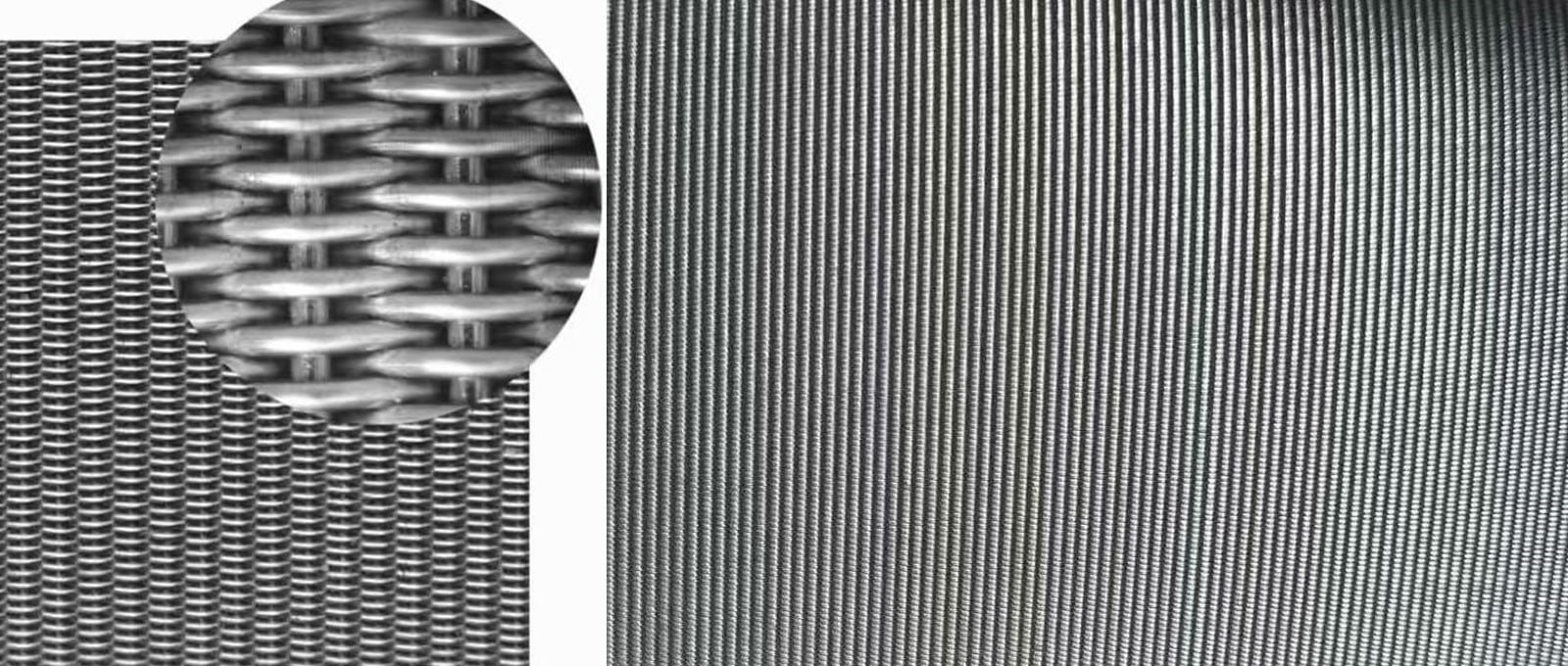
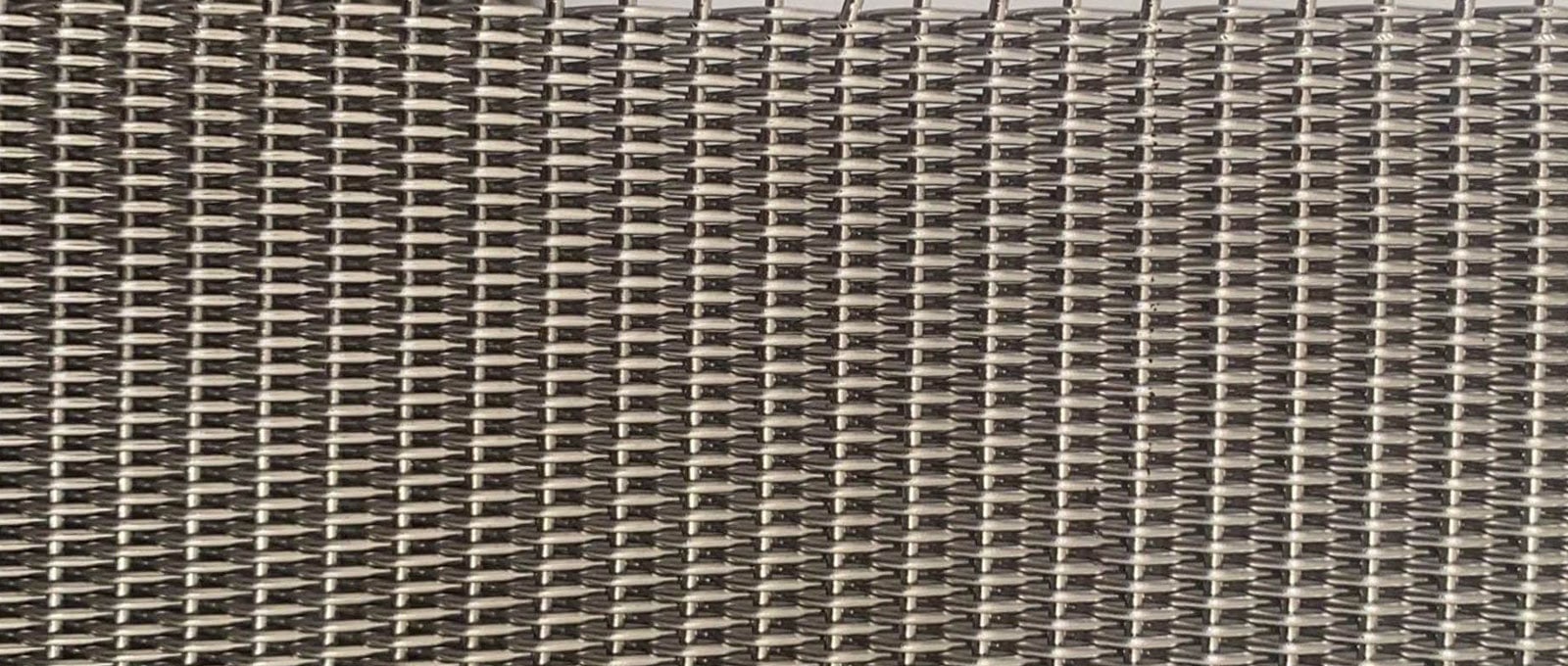
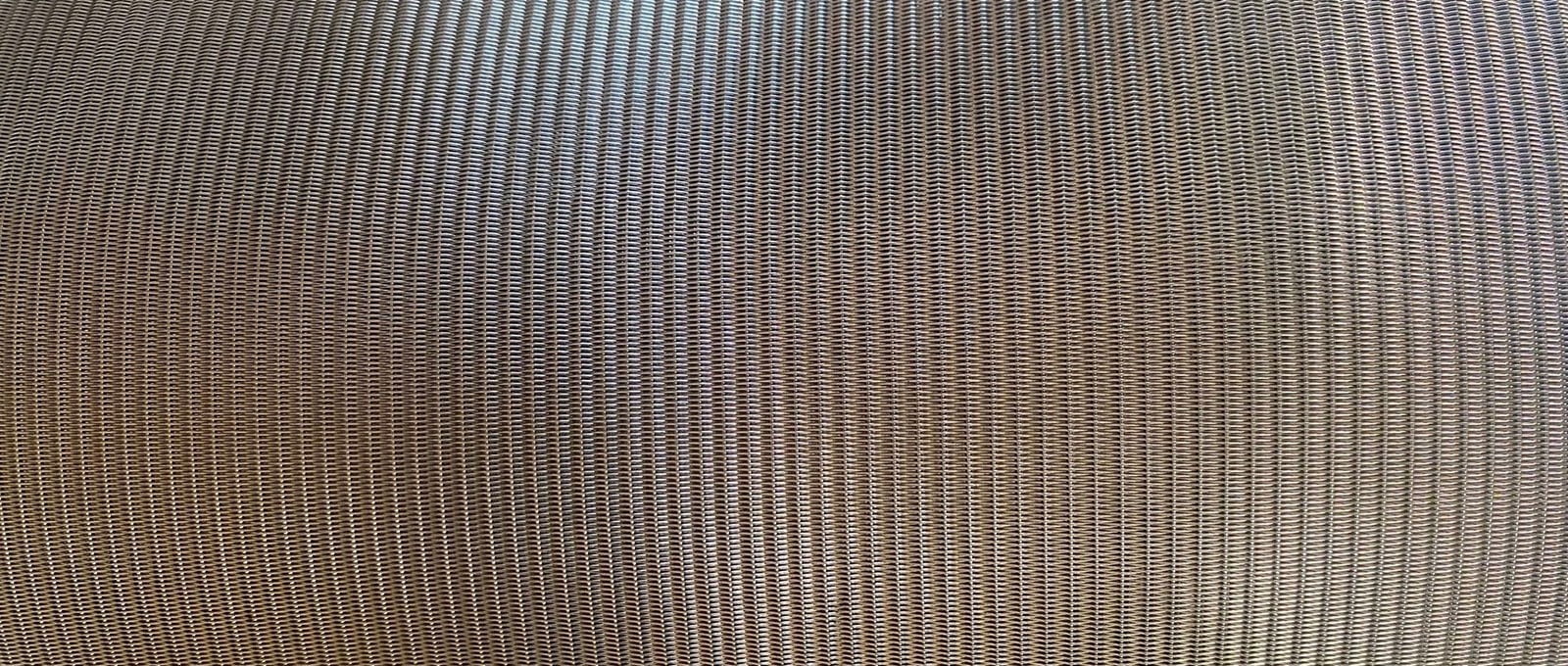
Compare stainless steel filter mesh options by medium, retention and operating conditions. For the broader construction choices, see thewoven wire mesh overview.
How it is woven
Dense filter cloth, not open square mesh
Dutch weave uses a greater number of wires in one direction than the other, usually with different wire diameters. The close weft arrangement creates a filtration path through the cloth. Specify warp and weft separately; a single square-mesh count does not describe it.
Compare reverse Dutch weave filter clothwhen evaluating a structure with closely spaced finer warp wires and coarser weft wires. Confirm the full warp × weft combination, retention requirement and finished form rather than treating the two constructions as interchangeable.
One over, one under
A 1/1 weave with dense weft spacing. Consider it when the reference construction and required particle retention align.
Two over, two under
A staggered 2/2 weave that can form a finer filter cloth. Confirm the actual rating, flow and mechanical requirements together.
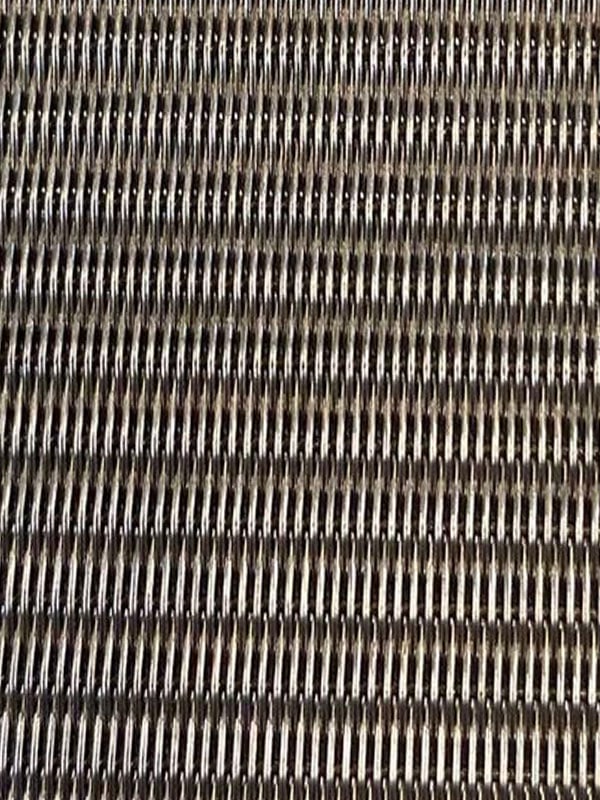
Reference specifications
Plain and twill Dutch weave sizes
Technical reviewer: Zhan Xiao · Quality Control Manager, Quality Control Department
These combinations are starting points for an inquiry. Mesh count is warp × weft per linear inch; wire diameter is warp × weft in millimetres. YueChu Metal can manufacture plain and twill Dutch mesh to agreed specifications. Select the construction below, then confirm filtration performance and dimensional tolerances for the order.
Table source: Cleveland Wire Cloth, Filter Cloth, printed page 20. The wire diameters and micron ranges follow that catalogue’s metric columns andAbsolute Filter Rating label. Source checked .
Plain Dutch weave reference specifications
One-over, one-under interlacing. Start with the complete warp and weft combination rather than a micron value alone.
| Mesh count warp × weft | Wire diameter warp × weft · mm | Catalogue absolute rating source range · µm |
|---|---|---|
| 8 × 85 | 0.356 × 0.320 | 320–340 |
| 12 × 64 | 0.610 × 0.419 | 270–290 |
| 14 × 88 | 0.508 × 0.330 | 220–240 |
| 20 × 150 | 0.249 × 0.178 | 150–160 |
| 24 × 110 | 0.381 × 0.254 | 115–125 |
| 30 × 150 | 0.229 × 0.178 | 95–100 |
| 40 × 200 | 0.178 × 0.140 | 70–75 |
| 50 × 250 | 0.140 × 0.114 | 58–63 |
| 80 × 400 | 0.124 × 0.071 | 40–45 |
Twill Dutch weave reference specifications
Typically a two-over, two-under interlacing with densely packed weft wires. Verify retention and pressure drop for the chosen construction.
| Mesh count warp × weft | Wire diameter warp × weft · mm | Catalogue absolute rating source range · µm |
|---|---|---|
| 20 × 250 | 0.249 × 0.201 | 110–120 |
| 30 × 360 | 0.249 × 0.152 | 90–100 |
| 40 × 560 | 0.178 × 0.102 | 70–75 |
| 80 × 700 | 0.102 × 0.076 | 35–38 |
| 120 × 400 | 0.102 × 0.064 | 50–55 |
| 165 × 800 | 0.071 × 0.051 | 24–26 |
| 165 × 1400 | 0.071 × 0.041 | 16–18 |
| 200 × 600 | 0.061 × 0.046 | 28–32 |
| 200 × 1400 | 0.071 × 0.041 | 12–14 |
Filtration performance
Agree the rating and test method
Performance depends on the weave, mesh count, warp and weft wire diameters, pore structure and operating conditions. A reference micron range is not a substitute for an agreed test and acceptance criterion.
- Nominal and absolute retention
- A nominal rating needs a stated retention efficiency at a particle size. An absolute rating needs a stated limiting particle size and pass criterion under a defined test. The catalogue’s absolute ranges are not nominal efficiency values or square-hole apertures. For order acceptance, record the test procedure and criterion together.
- Bubble point pressure · ASTM E3278
- The method measures the pressure needed to pass a bubble through a wetted flat filter-cloth sample. Pore size may be calculated using an agreed conversion factor; this is not a direct particle-retention test.
- Particle retention / glass-bead challenge
- Evaluates retention against test particles under an agreed procedure. Define the particle size, challenge conditions and pass criterion before production.
- Specification and theoretical estimation · ASTM E2814
- E2814 is an industrial woven wire filter-cloth specification covering terminology, considerations and alternative acceptance criteria. A calculated micron estimate is not the same as a measured result.
What a specification-specific test report should show
The table ranges are selection references, not measured results for the pictured samples. ASTM references describe methods or specifications; they do not certify the listed products.
- Sample identification: weave, warp × weft counts and wire diameters, material grade, and sample or batch reference.
- Test and result: method, test conditions, measured values and units, any pore-size conversion factor, and the agreed acceptance criterion.
- Traceability: report issuer, report number and test date, linked to the tested sample rather than the weave name alone.
For critical filtration, agree the required retention, allowable pressure drop, test method, sampling and acceptance criteria before production. Ask whether a report for the chosen specification and test can be provided; availability is confirmed with the quotation.
Method references: ASTM E3278 and ASTM E2814.
Review the material certificates and test record guidancewhen defining documentation for an order. General inspection examples do not replace a filtration report for the selected Dutch weave and batch.
Wholesale & OEM enquiries
What to send for a useful quotation
YueChu Metal reviews Dutch weave requests for industrial buyers, distributors and equipment manufacturers. Include:
- Construction: plain or twill Dutch; warp × weft count and both wire diameters, or a sample for matching.
- Application: target retention, medium, temperature, flow and allowable pressure drop.
- Supply: stainless steel grade, roll width and length or cut-piece drawing, quantity and edge requirements.
- Acceptance: requested test method, tolerances, material documents and packing requirements.
- Delivery: destination country, postal code or port, delivery terms and required date.
Availability, test reports, fabrication, MOQ and lead time are confirmed against the final specification. No universal price or certification is implied.
Buyer questions
Dutch Weave Wire Mesh FAQ
What is stainless steel Dutch weave wire mesh?
It is a densely woven filter cloth with different warp and weft counts and wire diameters. Unlike open square mesh, its filtration path is formed within the dense woven structure.
What is the difference between plain Dutch and twill Dutch weave?
Plain Dutch uses a one-over, one-under interlacing; twill Dutch typically uses a two-over, two-under pattern. Both use different warp and weft geometries. Select by the complete mesh construction and measured filtration requirement, not weave name alone.
Are the micron ranges in the table guaranteed filtration ratings?
The table reproduces the source catalogue’s Absolute Filter Rating ranges for selection. They do not by themselves guarantee retention for an order. Confirm the chosen construction, tolerance, test method and acceptance criterion before production.
Which tests can be discussed for Dutch weave filter cloth?
Bubble point pressure testing under ASTM E3278 may be used to assess pore size with an agreed conversion factor. Particle-retention or glass-bead challenge testing evaluates retention using an agreed procedure. ASTM E2814 is a filter-cloth specification with alternative acceptance criteria, not a standalone theoretical micron test method.
Do the photos or ASTM references certify the listed micron ratings?
No. Photos show the woven structure, not measured filtration performance. ASTM references describe methods or specifications, not product certification. A measured rating needs a report tied to the sample construction, test conditions and acceptance criterion. Report availability is confirmed for the requested specification at quotation.
What information is needed for a quotation?
Provide plain or twill Dutch weave, warp × weft count and wire diameters if known, stainless steel grade, target retention, fluid or gas, flow and allowable pressure drop, roll or cut size, quantity, destination and any required test or document.
Can you quote wholesale or OEM cut pieces?
Send the required roll dimensions or a drawing for discs, sheets or other cut pieces. Available construction, fabrication, test documentation, MOQ and lead time are confirmed against the final specification.
- Construction
- Plain Dutch (1/1) or twill Dutch (typically 2/2)
- Mesh count
- Specified separately for warp × weft
- Wire diameter
- Specified separately for warp × weft
- Filtration rating
- Reference range only; agree test method and tolerance
Made to your specification · Request a quotation
Technical DataProduct parameters & construction details
- Construction
- Plain Dutch (1/1) or twill Dutch (typically 2/2)
- Mesh count
- Specified separately for warp × weft
- Wire diameter
- Specified separately for warp × weft
- Filtration rating
- Reference range only; agree test method and tolerance
- Material
- Stainless steel grade confirmed for each inquiry