
Machine Guarding · Equipment Safety · Custom Fabrication
Expanded Metal Machine Guards
Custom expanded metal machine guards from YueChu for industrial equipment, conveyors, robotic cells and safety enclosures across U.S., European and Australian B2B projects.
- Custom panel sizes
- Material & finish options
- Drawing-based fabrication
- B2B export supply
What Are Expanded Metal Machine Guards?
Expanded metal machine guards are protective mesh panels, doors or cages installed around industrial equipment to help restrict access to moving parts while keeping visibility, airflow and inspection access.
For B2B projects, machine guard panels are normally specified by panel size, material, mesh opening, strand dimensions, frame profile, access door layout, hinges, latches, fixing method, finish color and destination standard. YueChu supplies custom expanded metal guards and machine guarding panels as a manufacturer and exporter for equipment builders, contractors, fabricators and industrial safety buyers.
Application references
Expanded Metal Guarding Styles
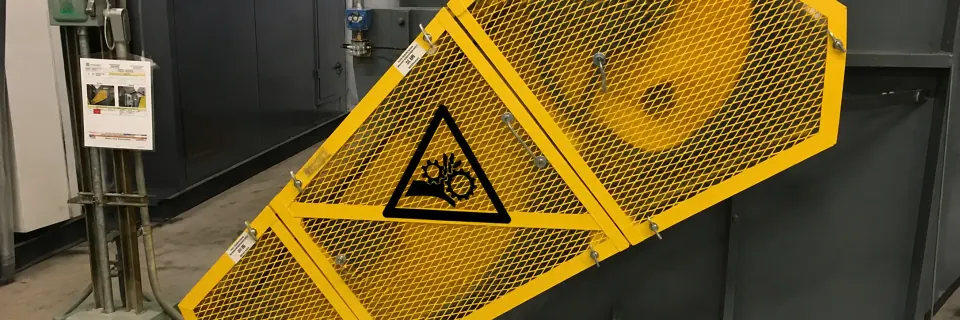
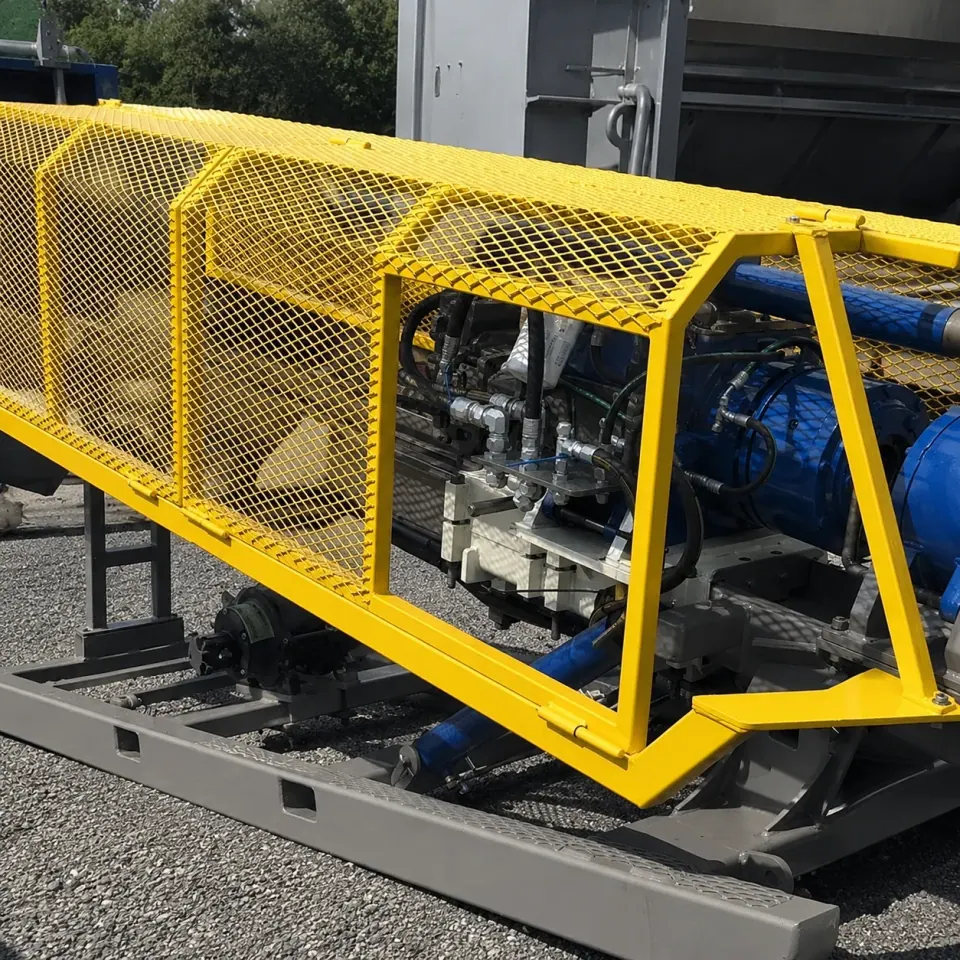
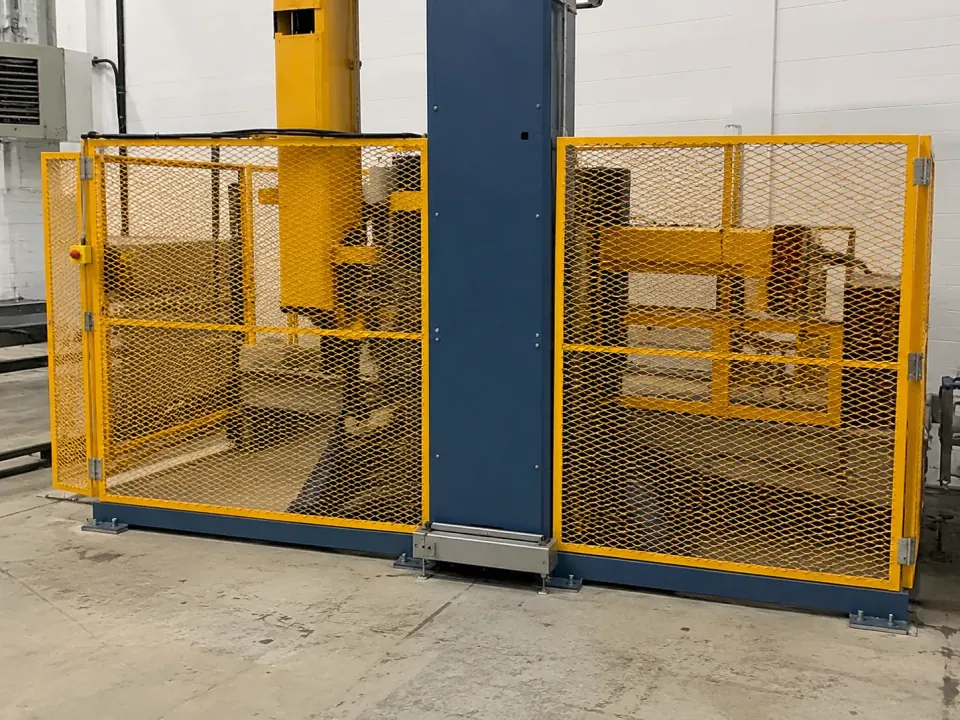
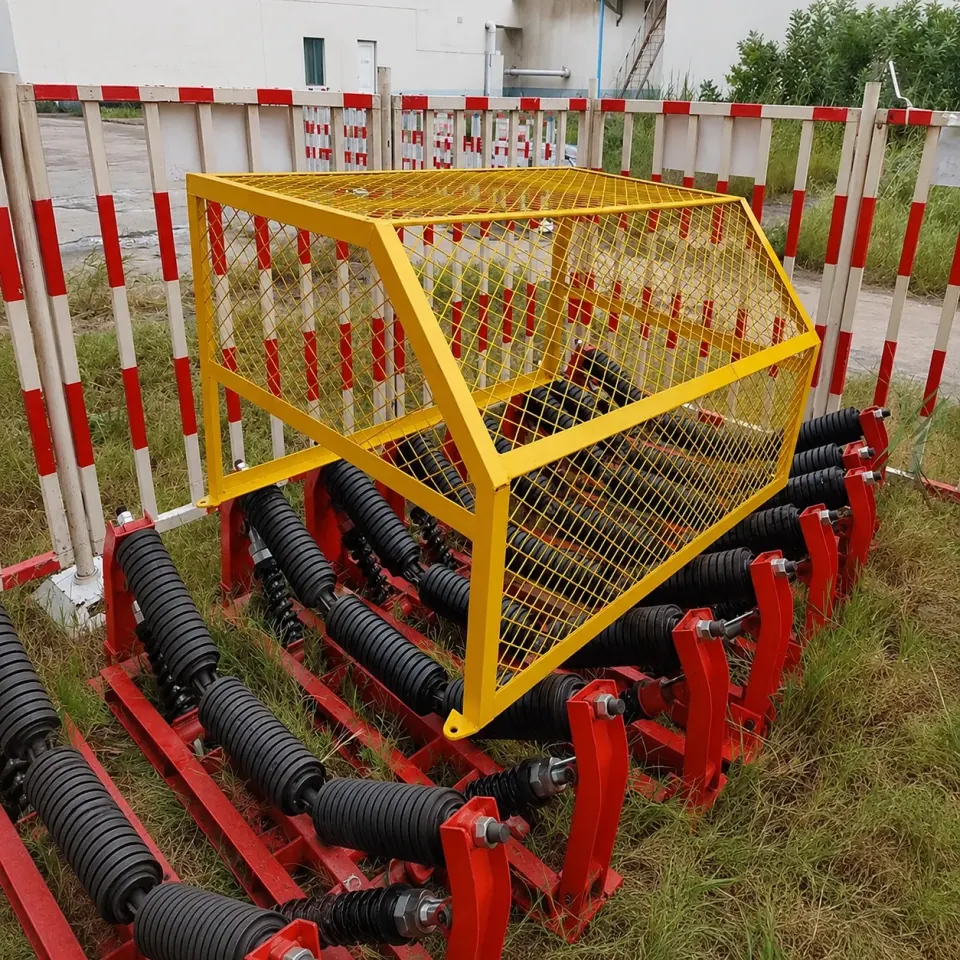
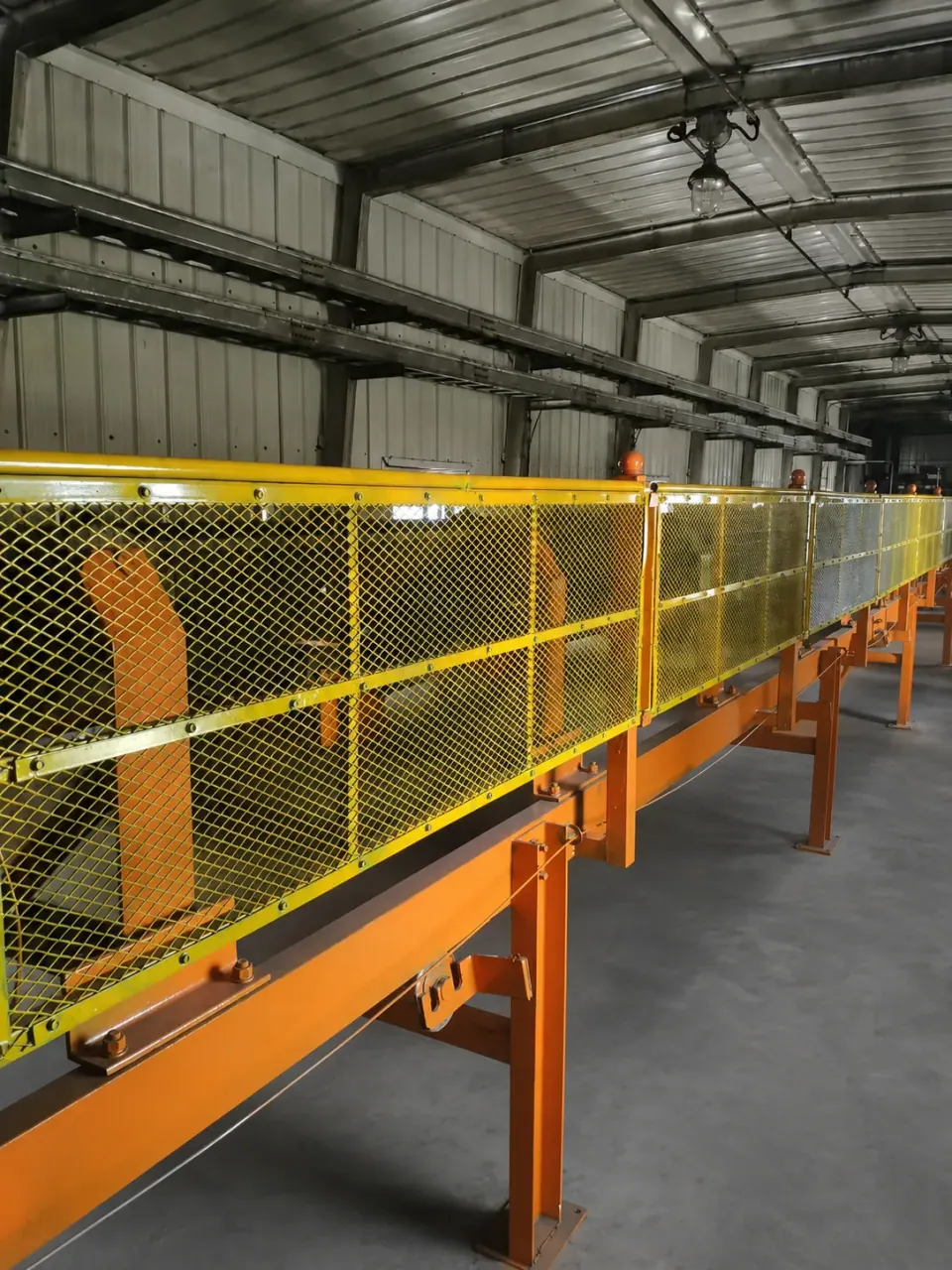
Reference images show framed mesh, access doors, equipment cages and conveyor protection layouts for industrial use.
Application reference images illustrate possible layouts and finishes. Project specifications and supply details are confirmed during quotation.
Where Expanded Metal Guards Are Used
Use this page as an RFQ-ready reference for machine guarding, safety cages and custom equipment protection panels.
Machine Guarding
Protective panels around presses, cutters, rotating equipment and production machines.
Conveyor Guards
Mesh panels for conveyor lines, rollers, belt access points and moving components.
Robotic Cells
Guarding panels, hinged access doors and perimeter cages for automated equipment areas.
Equipment Enclosures
Custom expanded metal cages for pumps, hydraulic units, service equipment and outdoor assets.
OEM Fabrication
Drawing-based guard panels supplied to equipment builders, contractors and safety integrators.
Why Buyers Choose Expanded Metal for Machine Guards
Expanded metal gives machine guarding projects a strong, open and fabrication-friendly panel surface. It is useful where safety separation, visibility and ventilation must work together.
- Clear visibilityOperators can inspect equipment without removing the guard panel.
- Open airflowMesh openings help ventilation around motors, conveyors and hot equipment.
- Rigid one-piece meshThe slit-and-stretched structure avoids loose woven wires and supports framed fabrication.
- Custom guard layoutPanel size, frame, hinges, latches, holes and color can be matched to drawings.
- Export procurementSuitable for OEM projects, wholesale orders, contractors and industrial safety buyers.
How to Specify Expanded Metal Machine Guards
Final guard performance depends on mesh geometry, frame stiffness, mounting details, access frequency and the safety requirements of the equipment area.
Material & Finish
- Carbon steel or galvanized steel
- Stainless steel 304/316
- Aluminum options
- Powder coated, painted or hot-dip galvanized
Panel Geometry
- Guard width and height
- Mesh opening direction
- Thickness and strand width
- Flat panel, door or enclosure panel
Frame & Hardware
- Welded frame profile
- Hinges, latches and handles
- Mounting holes or plates
- Edge clearance and service access
Project Conditions
- Indoor, outdoor or washdown exposure
- Required visibility and airflow
- Access frequency and lockout needs
- Destination market safety standard
Engineering note: Machine guarding layout, safety distance, opening size, impact requirements, interlocks and local code compliance must be confirmed for the actual equipment. Guard selection should be reviewed against drawings and applicable safety standards.
Common Guard Materials and Builds
Powder Coated Steel
Powder-coated expanded metal is common for yellow, orange, black or custom safety-color machine guarding panels.
Galvanized Steel
Galvanized expanded metal is used when corrosion protection and cost control matter for indoor or outdoor guard systems.
Stainless Steel
Stainless steel expanded metal is selected for washdown, corrosive, food processing or hygienic equipment environments.
Aluminum
Aluminum expanded metal reduces weight for removable guards, service doors and lightweight equipment covers.
Buyer questions
Expanded Metal Machine Guards FAQ
Short answers for purchasing teams preparing drawings, guard specifications and quote requests.What are expanded metal machine guards?
Expanded metal machine guards are protective mesh panels or enclosures made from slit-and-stretched metal mesh, usually framed and installed around machines, conveyors, robotic cells or maintenance access points.
Is expanded metal suitable for machine guarding?
Yes, when the mesh opening, frame design, mounting method and safety distance are selected correctly for the equipment. The open mesh supports visibility and airflow while helping restrict access to moving parts.
Can guard panels be customized from drawings?
Yes. YueChu can customize guard size, mesh opening, strand dimensions, frame profile, hinges, latches, handles, mounting holes, color and finish for OEM, contractor and wholesale projects.
What information is needed for a machine guard quote?
Send drawings or photos, panel size, material, mesh opening, frame style, fixing method, access door details, finish color, quantity and destination country.
Can YueChu supply yellow safety guard panels?
Yes. Powder coated yellow, orange, black and custom colors are available for expanded metal machine guarding panels and equipment guard cages.
Project inquiry
Request a Custom Machine Guard Quote
Send drawings or share the panel size, material, mesh opening, frame design, access door layout, finish color, quantity and destination.
Use the expanded metal measurement guide to record mesh geometry, and the expanded metal sheet guide for panel sizes, diamond direction and cut edges.
- Custom expanded metal machine guard panels
- Machine guarding doors, cages and equipment enclosures
- Powder coated, galvanized, stainless and aluminum options
- Drawing-based production review for OEM and B2B projects