
YueChu Metal · Expanded Metal Manufacturer in China
Expanded Metal: Types, Materials & Selection
Choose expanded metal by application, surface profile and material. YueChu Metal suppliesraised mesh, flattened sheets and grating for protection, ventilation, fabrication and architectural projects. Compare the product families below, then review mesh geometry or finished sheet requirements for your order.
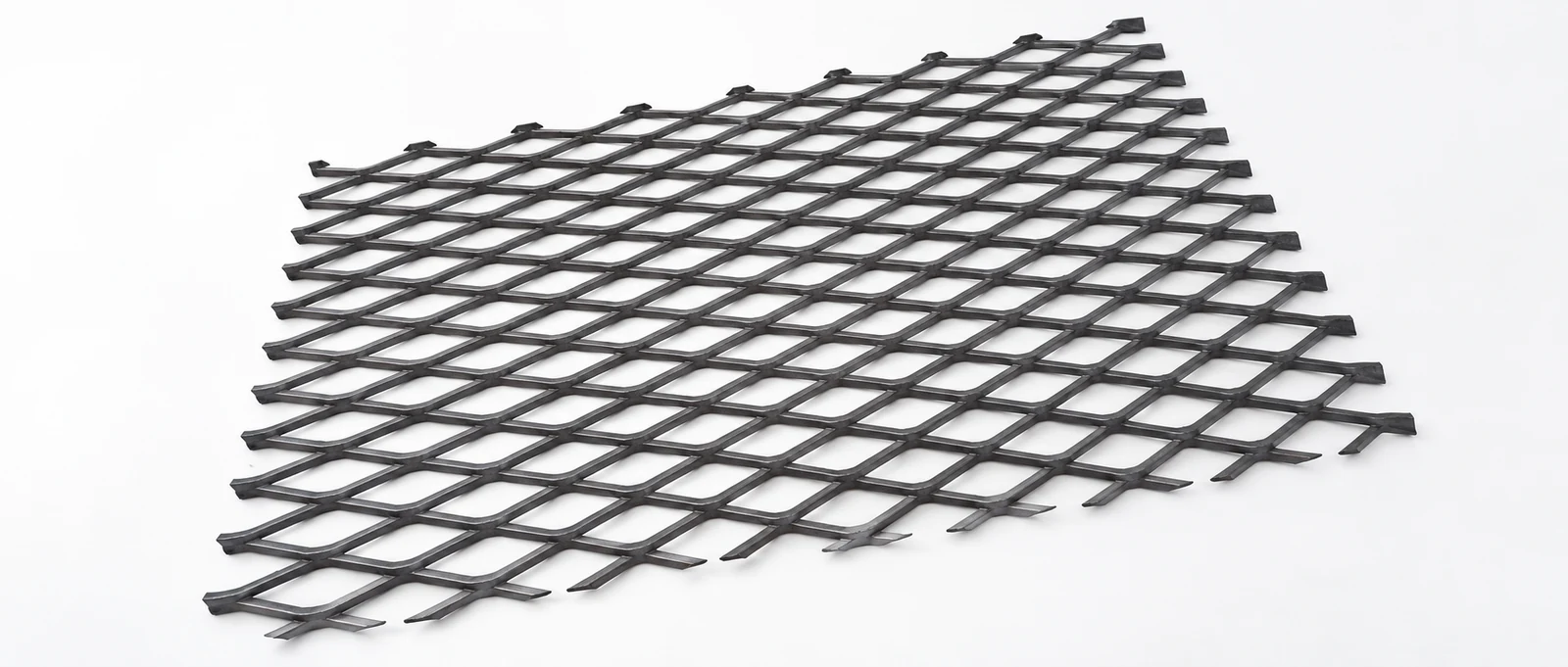
What Is Expanded Metal?
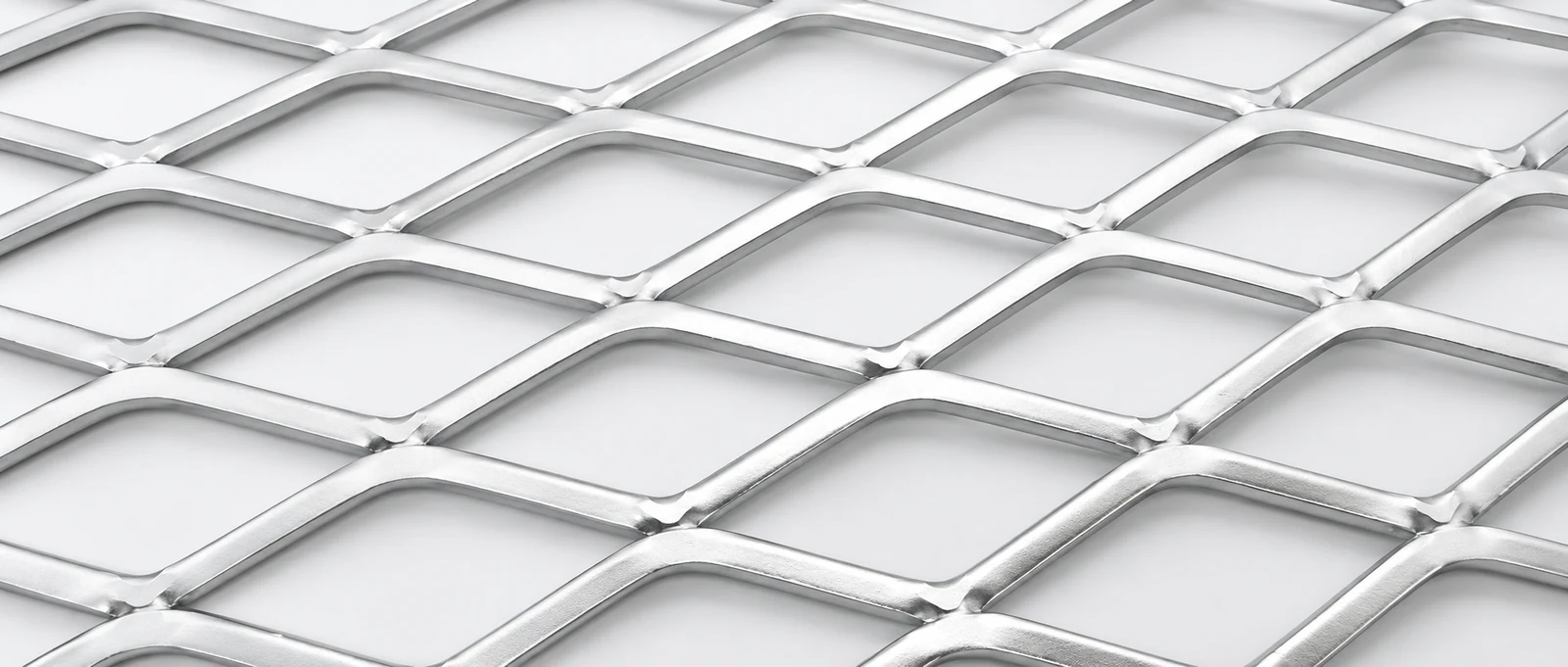
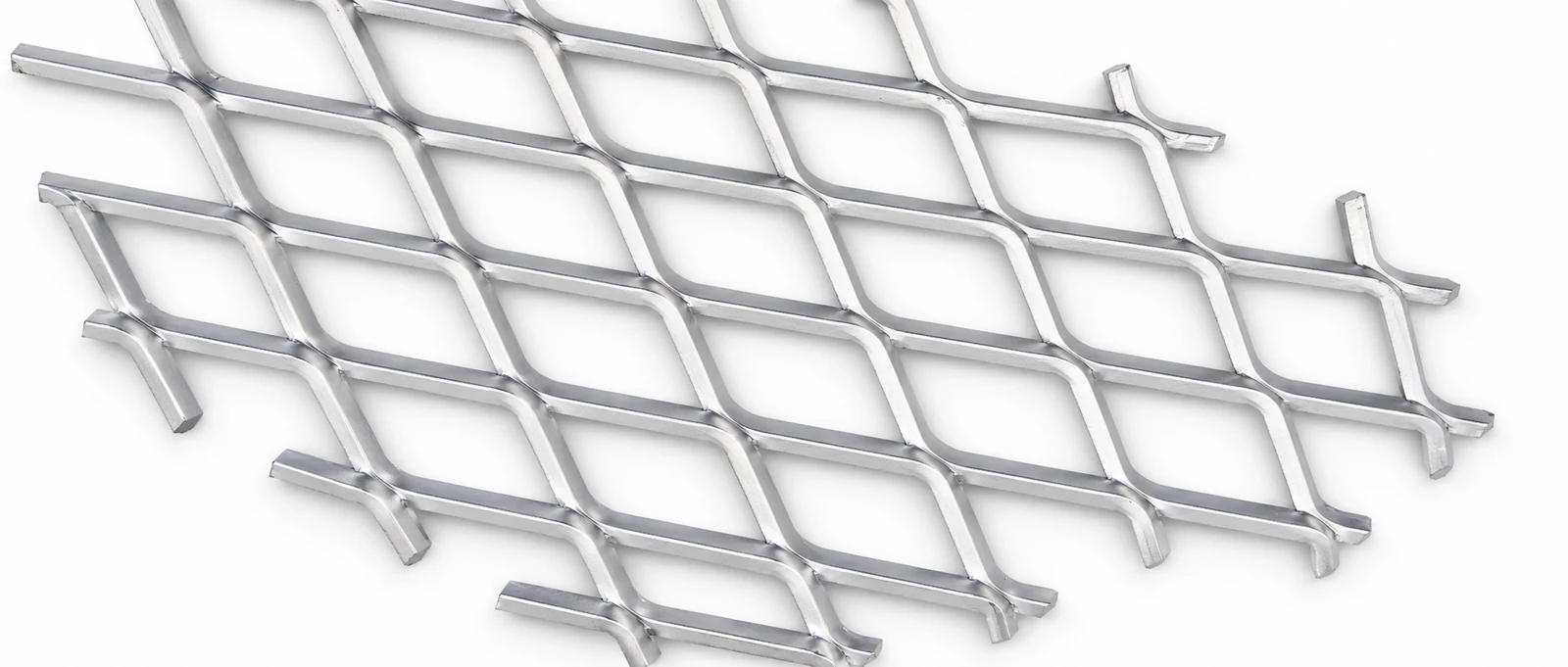
Expanded metal is a metal mesh made by slitting and stretching a solid sheet into a continuous pattern of openings, most commonly diamond-shaped. The strands stay connected at integral bonds, forming a single-piece, open metal structure.
Unlike woven wire mesh, it has no interlaced wires; unlike welded mesh, it needs no welded intersections to form the pattern. Material, strand dimensions, opening geometry, overall thickness and surface treatment determine its suitability for guards, screens, fencing and architectural panels.
Raised vs. Flattened Expanded Metal
Compare the two profiles before deciding on the final specification.
| Feature | Raised Expanded Metal | Flattened Expanded Metal |
|---|---|---|
| Surface | Raised strands and angled bonds | Rolled to a flatter, smoother surface |
| Rigidity | Three-dimensional profile adds stiffness | Profile changes during flattening; confirm load requirements |
| Appearance | Textured, directional diamond pattern | Low-profile, uniform diamond pattern |
| Common uses | Guards, fencing; suitable heavy mesh for verified flooring loads | Screens, infill panels, cladding and ceilings |
| Fabrication | Allow for overall raised mesh thickness | Smooth profile for framing and finishing |
Expanded Metal Material Options
Match the metal and finish to the environment, fabrication and appearance required.
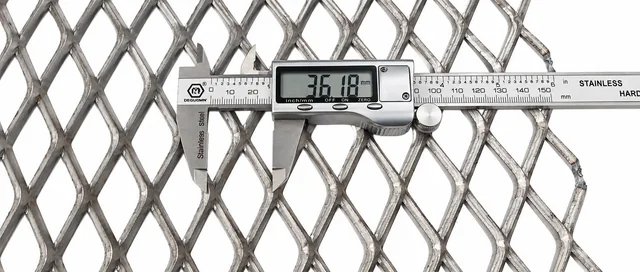
Carbon Steel Expanded Metal
A practical choice for welded frames, industrial guards and general fabrication. Protect against corrosion as required.
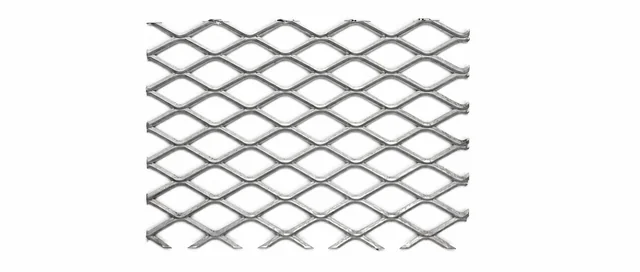
Galvanized Steel Expanded Metal
Zinc-coated steel for outdoor panels and fencing. Confirm the coating process and cut-edge protection.
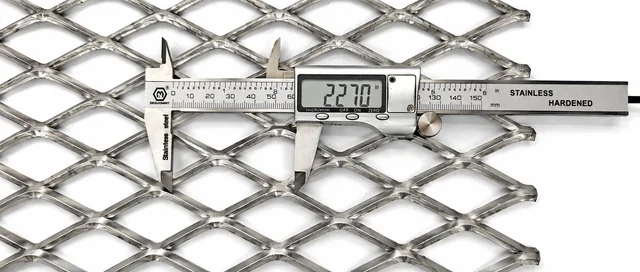
Stainless Steel Expanded Metal
Discuss grades such as 304 or 316 for the service environment and cleaning conditions. Confirm grade and pattern availability.
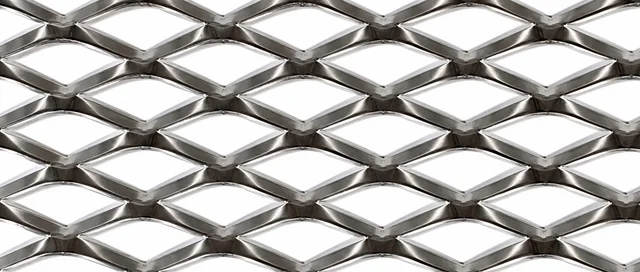
Aluminum Expanded Metal
A lightweight option for cladding, screens and ceilings. Available finish depends on the alloy and application.
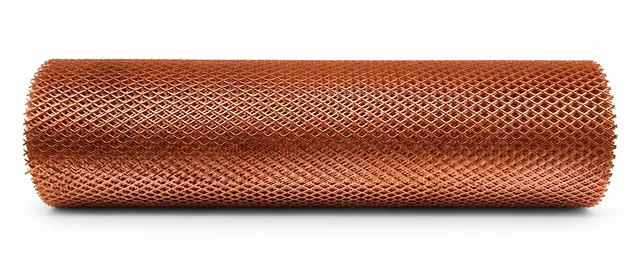
Copper Expanded Metal
Warm metal appearance for decorative panels and specialist projects, with a natural finish that changes over time.
Special requirements? Explore titanium expanded metal or powder-coated finishes.
Choose the Right Expanded Metal Specification Guide
Use the product guide that matches the decision you need to make. Check sample dimensions with the expanded metal measurement guide, then estimate weight and open area with the expanded metal calculator.
| Your requirement | What to compare | Product guide |
|---|---|---|
| Airflow, visibility or screening | Diamond pitch, clear openings, strand dimensions and open area | Expanded metal mesh · openings & open area |
| A full sheet or a panel for a frame | 4×8 sizes, finished dimensions, diamond direction, edges and tolerances | Expanded metal sheet · sizes & cutting |
| Walkways, platforms or stair treads | Load requirements, support spacing, bearing direction and fixings | Expanded metal grating · project requirements |
Mesh, sheet and grating describe different ordering priorities. Confirm the material and finish for the service environment before approving the final drawing.
Expanded Metal Applications
Specify expanded metal around the performance your project needs.
Fencing & Security
Perimeter fencing, gates and security screens with visibility and airflow.
View applicationWalkways & Flooring
Open flooring for industrial walkways, platforms and rooftop access. Confirm loads and support spans.
View applicationStair Treads
Custom step panels for industrial stairs, maintenance platforms and outdoor access.
View applicationTrailers & Ramps
Raised mesh for trailer floors, loading ramps, gates and decks. Specify wheel loads and frame spacing.
View applicationMachine Guards
Equipment enclosures with visibility and ventilation. Confirm openings and safety distances.
View applicationArchitectural Facades
Facade screens, cladding, sunshades and decorative panels with custom patterns and finishes.
View applicationWhy Choose Expanded Metal?
Practical benefits for industrial fabrication and architectural design.
- One-piece construction
- Continuous strands and integral bonds are formed from a single sheet, without woven or welded mesh intersections.
- Efficient material use
- Slitting and stretching creates openings without punching out slugs of metal from each opening.
- Airflow & visibility
- The open pattern allows air, light and visibility through the panel, depending on strand geometry and opening size.
- Versatile configurations
- Combine the material, profile, diamond pattern, sheet dimensions and finish around your application.
- Fabrication flexibility
- Suitable mesh can be cut, formed and incorporated into frames or fabricated components.
- Strength & rigidity
- The connected structure provides rigidity. Load capacity depends on material, geometry, orientation and supports.
Expanded Metal Manufacturing & Customization
A slit-and-stretched sheet, configured around your project.
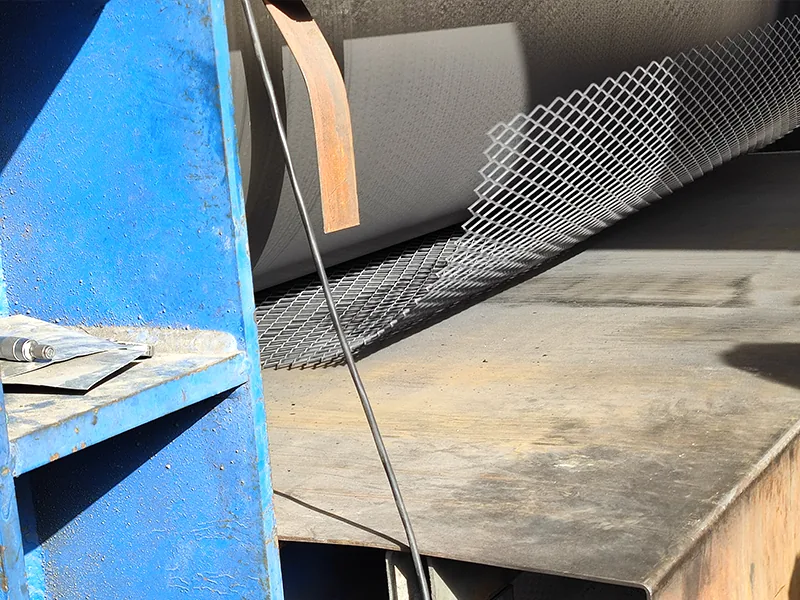
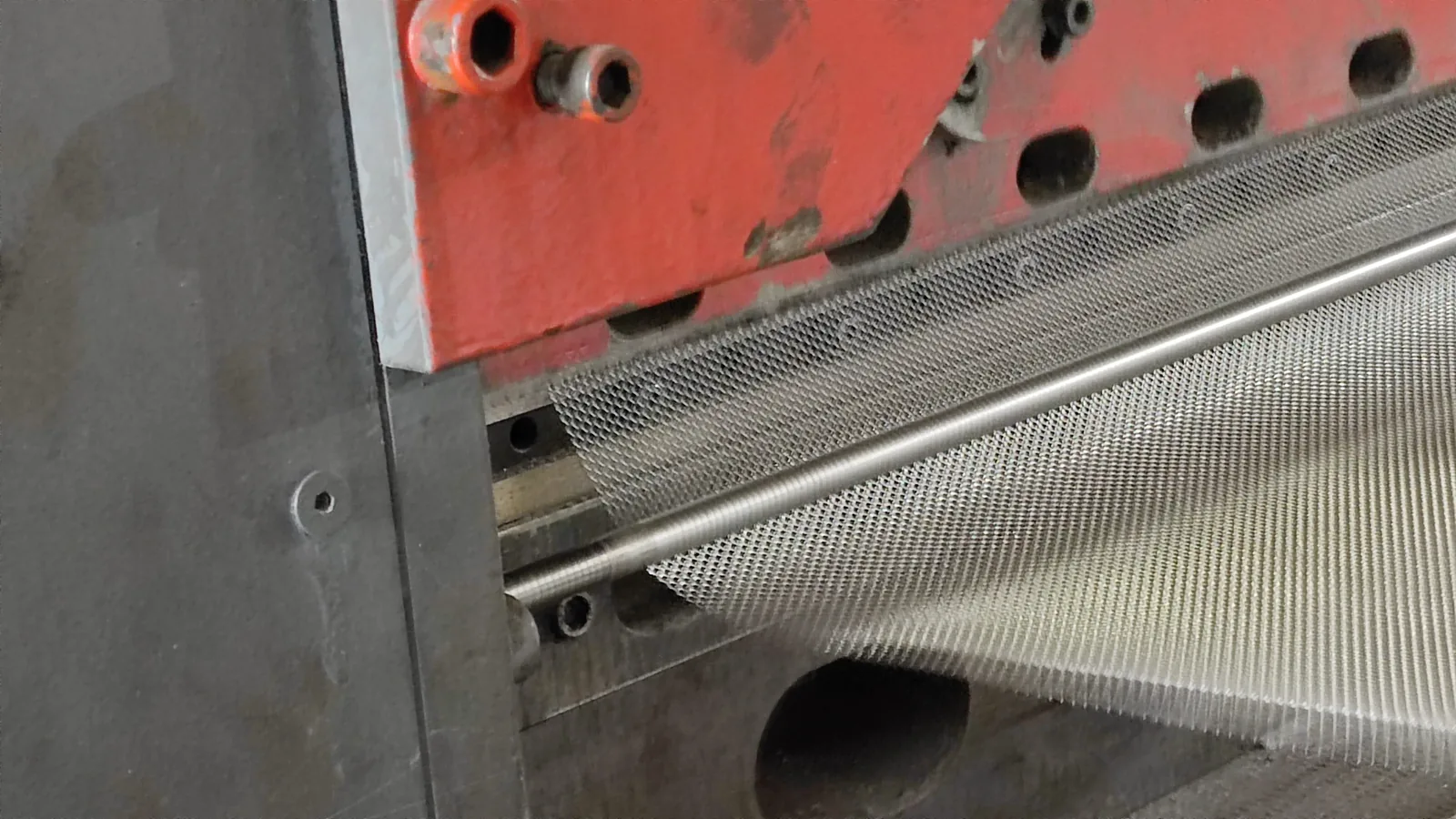
Slitting and stretching turn solid sheet into connected mesh. Raised mesh retains angled strands; rolling creates a smoother, flattened profile. Cutting, forming and finishing follow your agreed specification.
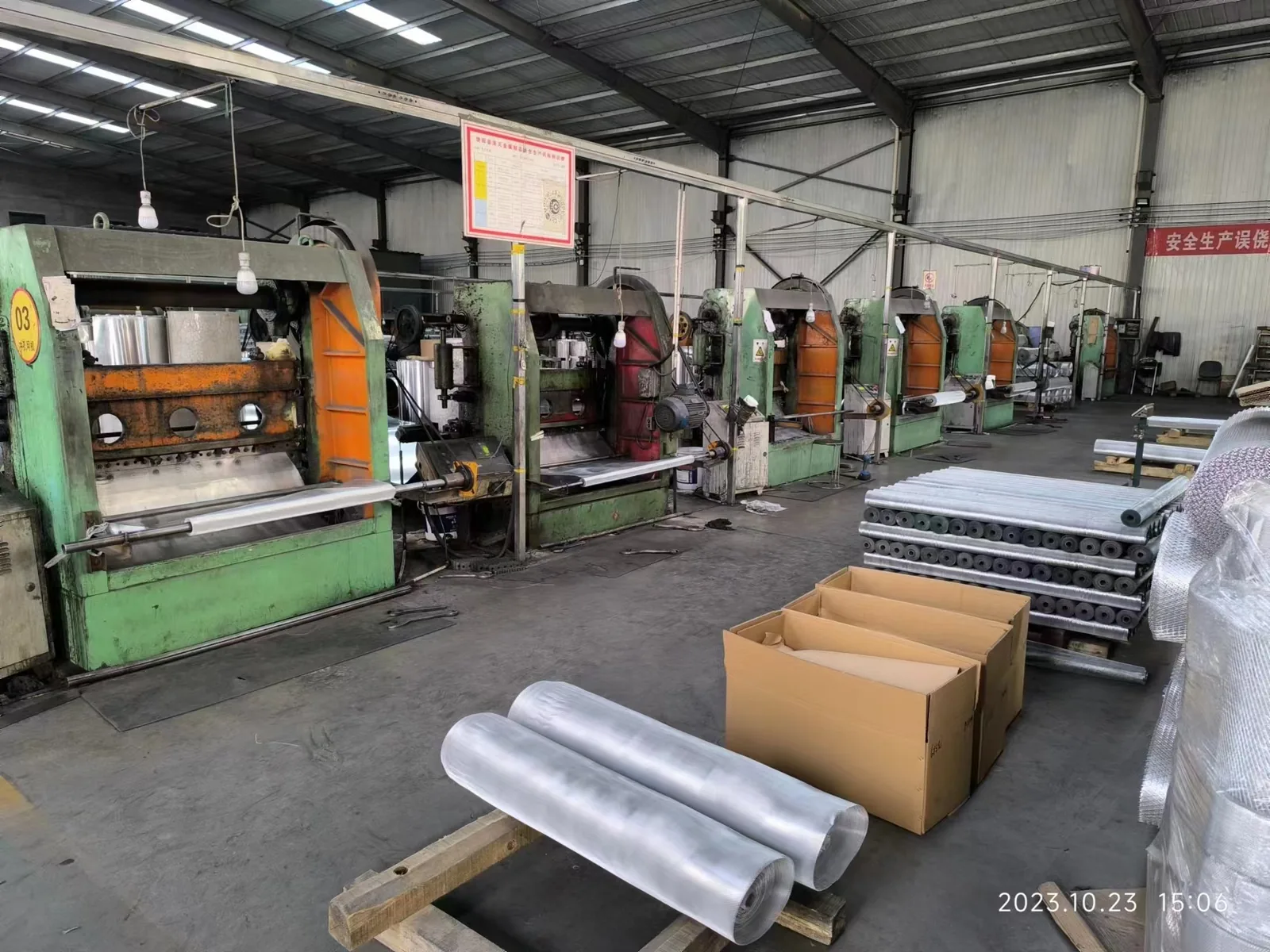
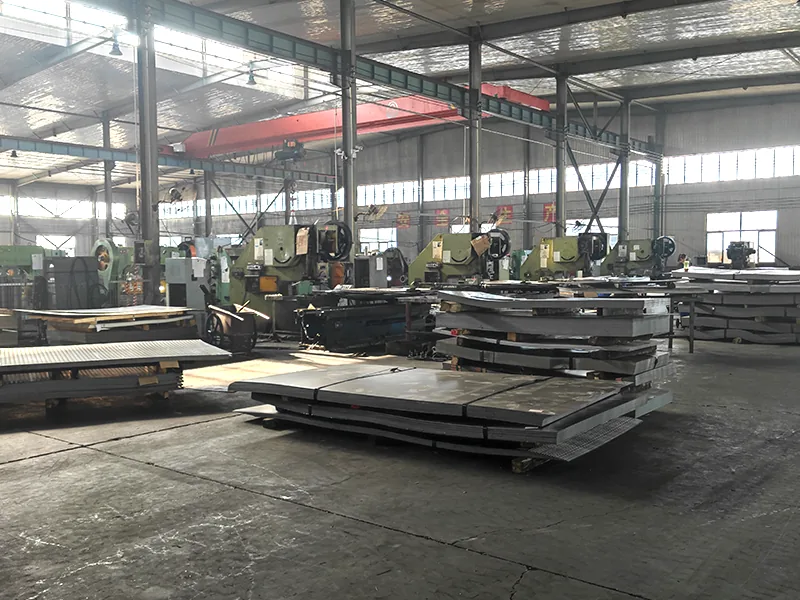
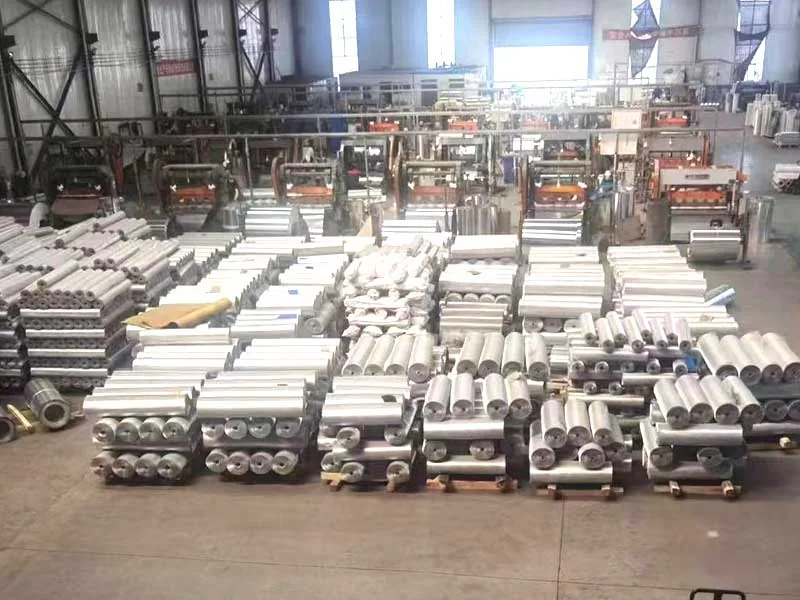
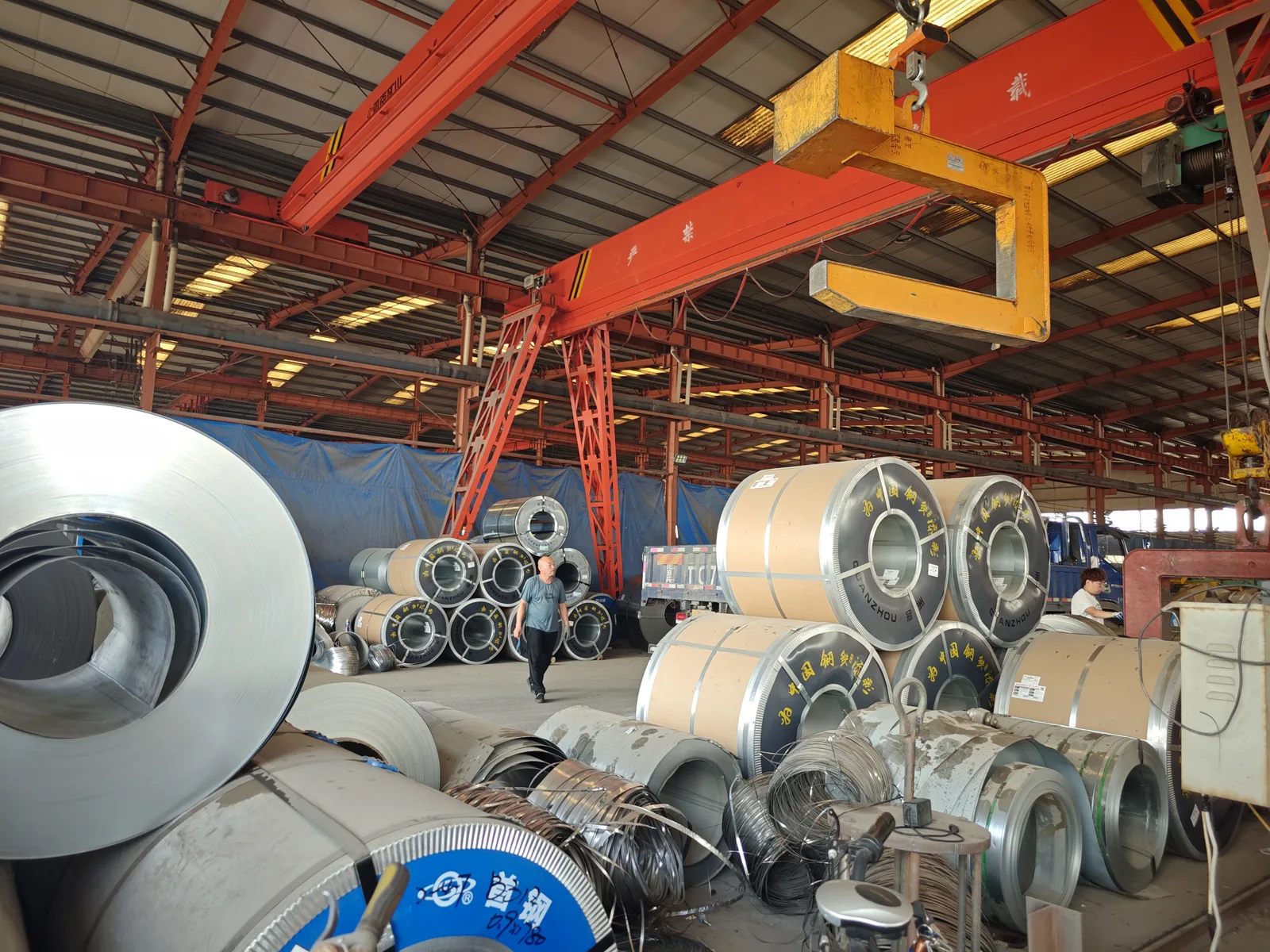
See the real manufacturing process
Production equipment, workshop areas and incoming material stock.
How to Select Expanded Metal
Follow these six steps to prepare a clear purchase specification.
Identify the application
Define protection, ventilation, screening or flooring requirements. For load-bearing use, provide design loads and support spacing.
Select the material
Choose the grade for corrosion exposure, strength, weight, appearance and project budget.
Choose raised or flattened
Use a raised profile for a textured surface or flattened mesh for a smoother panel. Check handling and fabrication needs.
Confirm mesh dimensions
Specify SWD and LWD bond-center pitches, strand width and thickness. Label clear openings separately as SWO and LWO.
Define sheet size & finish
Provide panel dimensions, diamond orientation, cut edges, tolerances, coating and any cutting, bending or framing details.
Submit your RFQ
Send your specification or drawing, quantity and delivery destination for production and quotation review.
Quality Control & B2B Supply Support
Agree on material, dimensions, tolerances and inspection requirements before production.
Approved drawings or samples help keep repeat orders consistent. Include inspection records, material documents and packing or identification requirements in your inquiry.
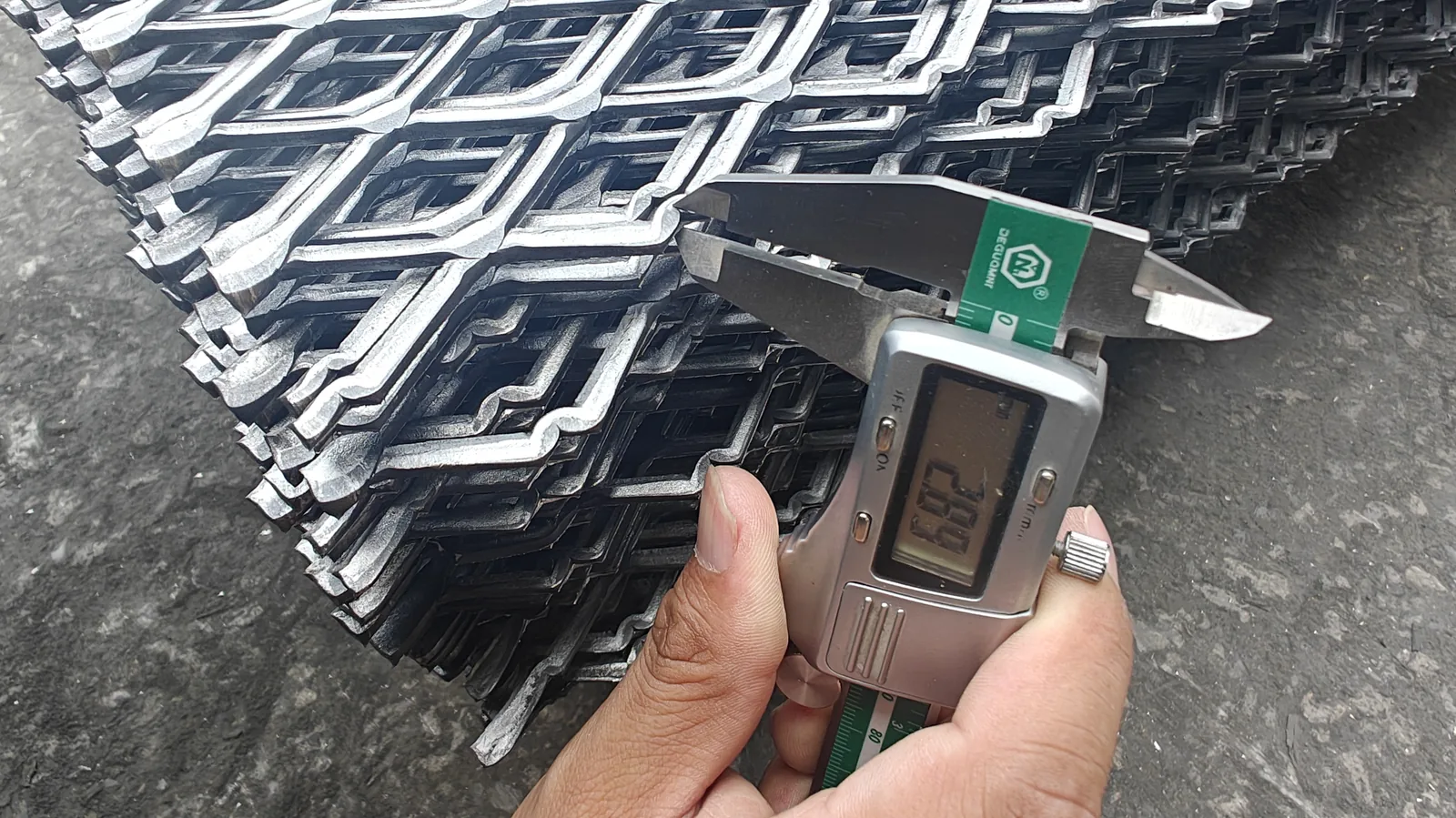
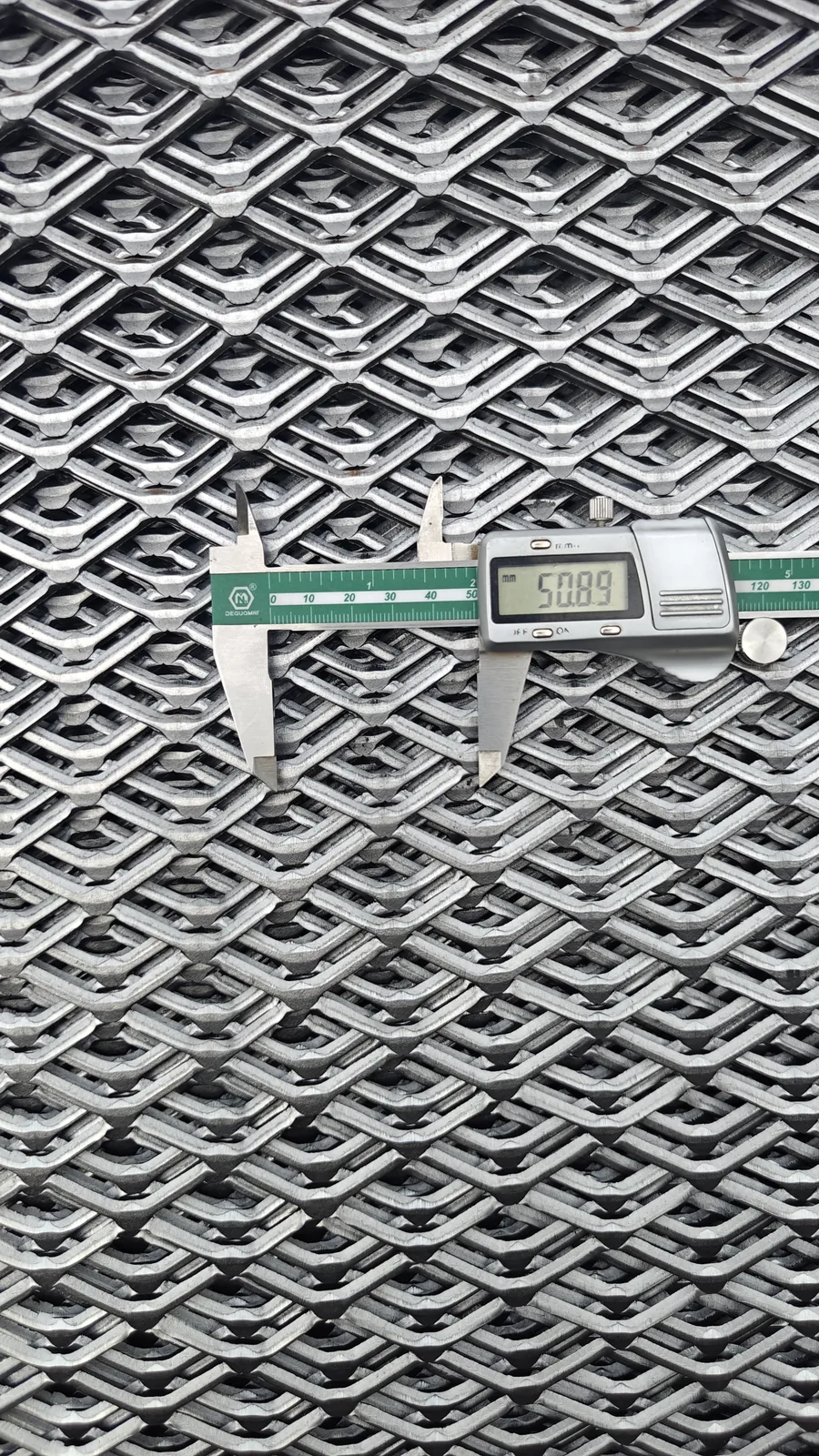
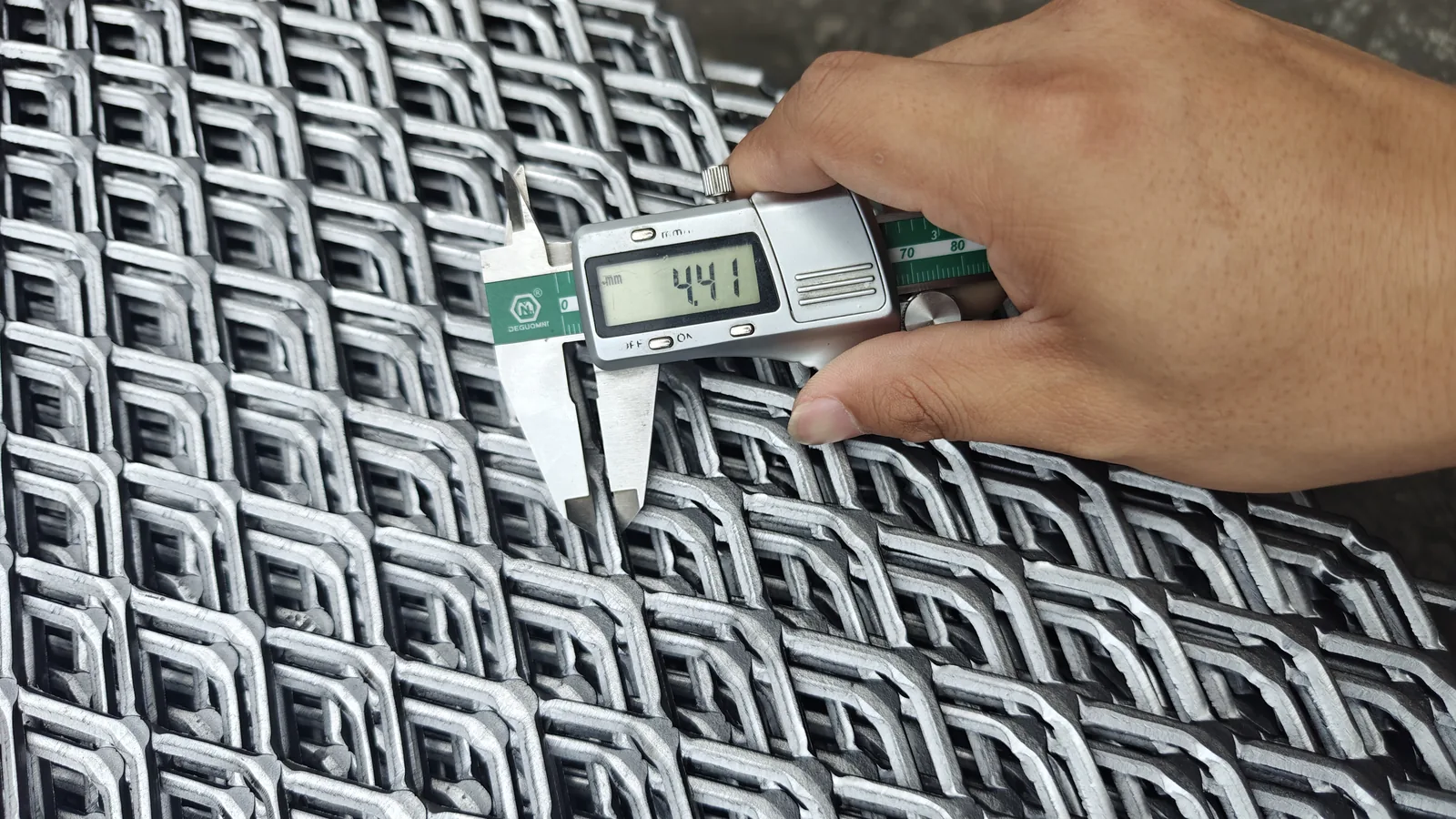
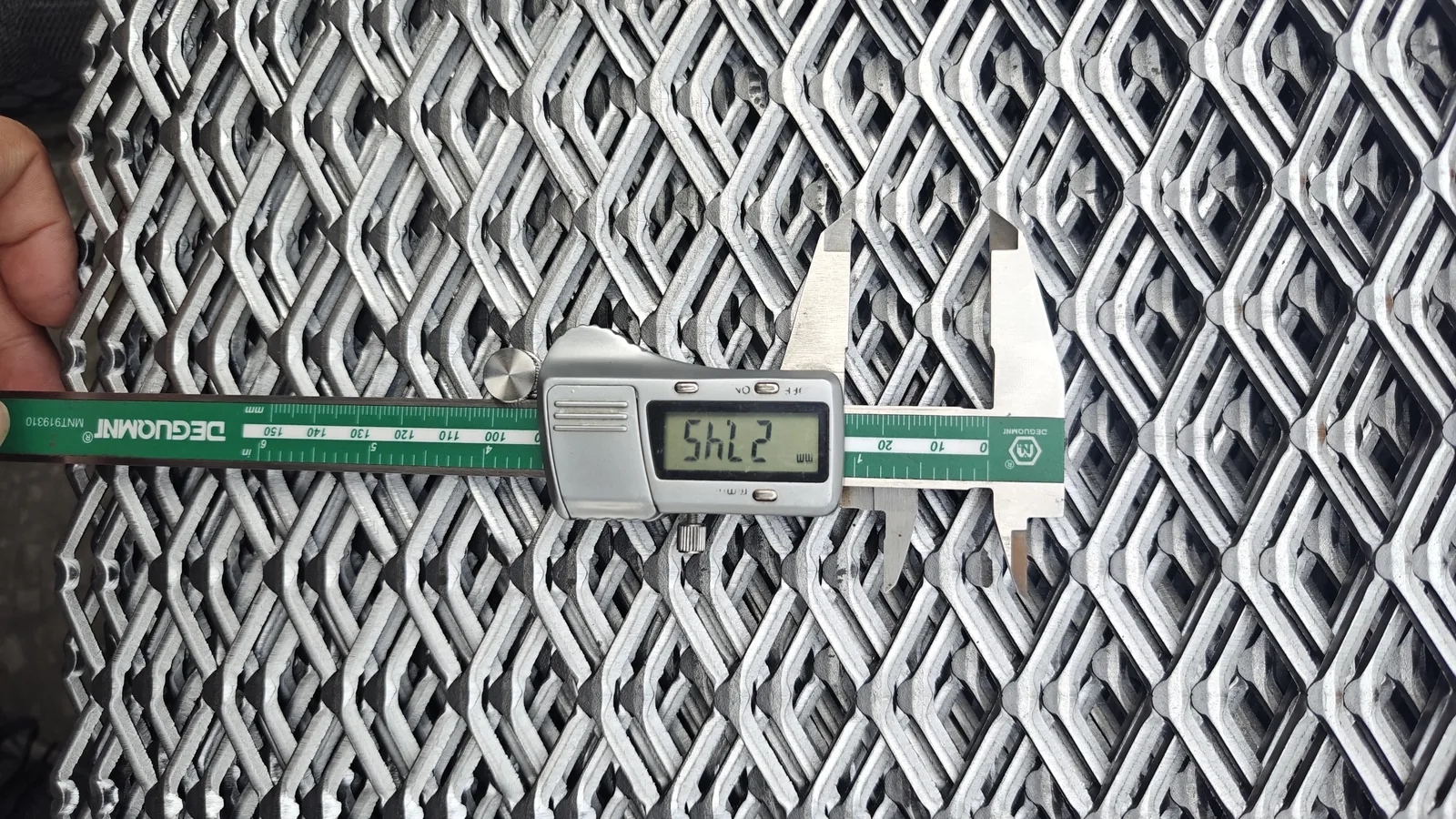
Dimension inspection for your specification
Measuring tools and dimensional checks for expanded metal products.
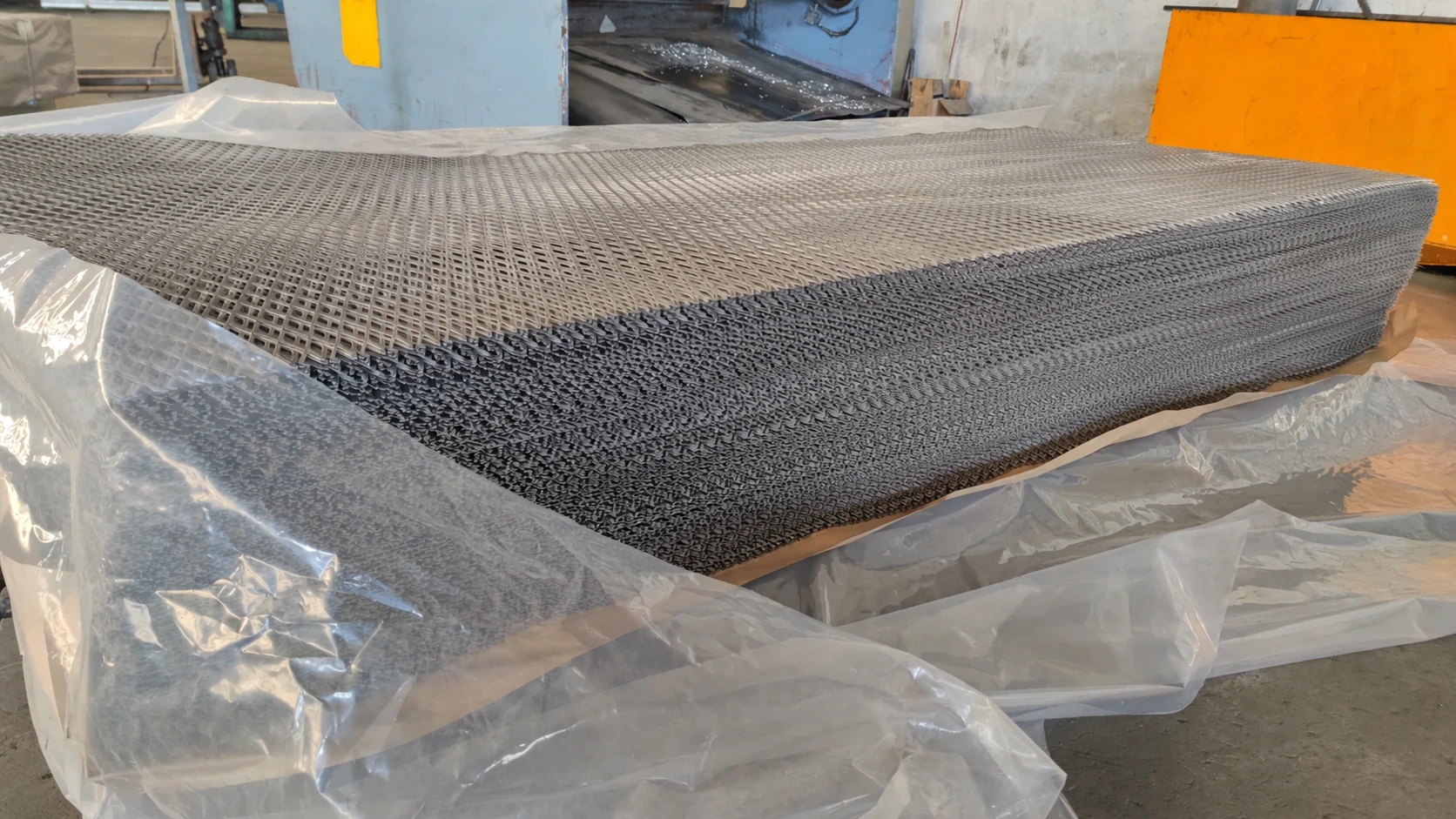
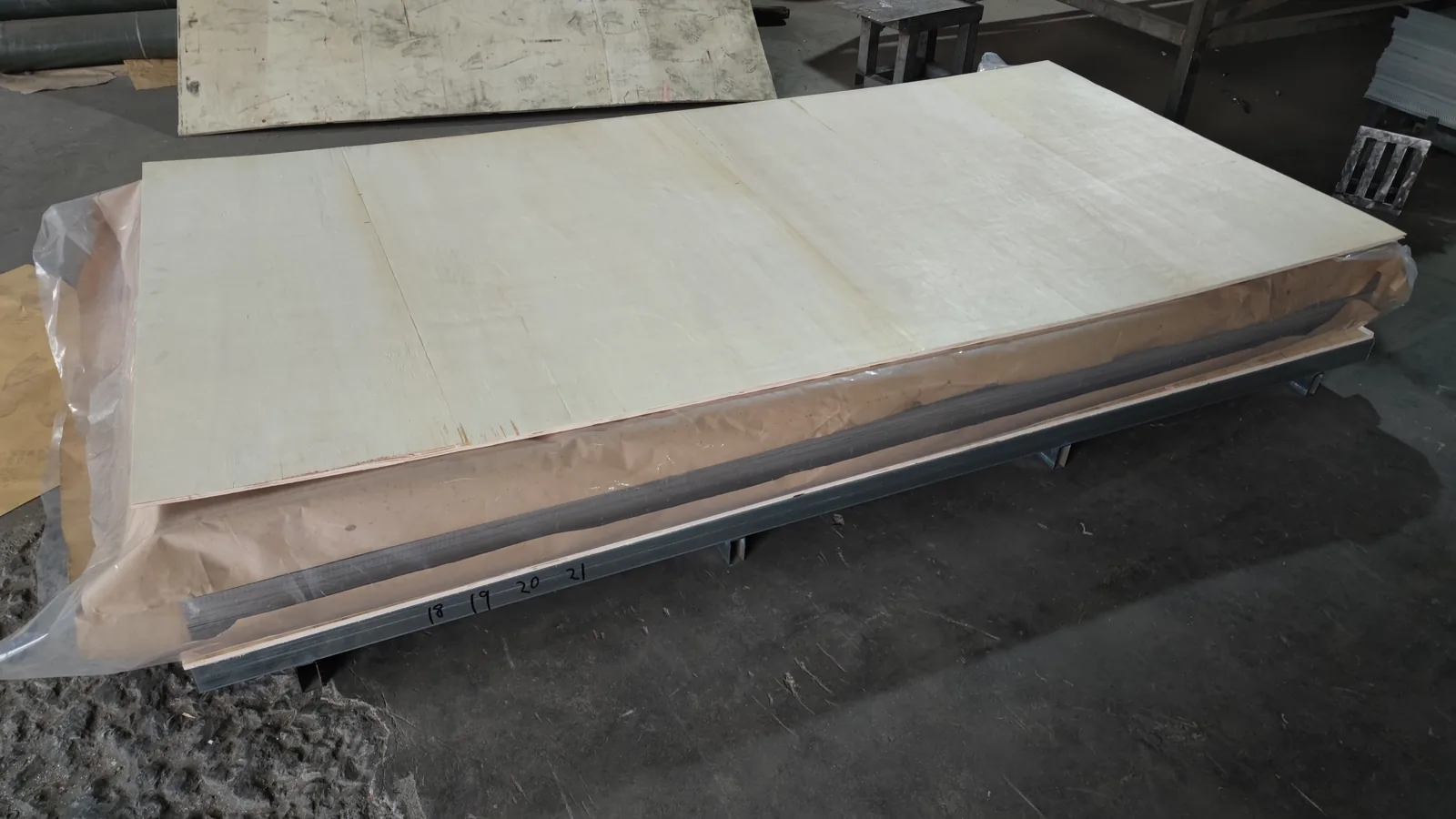
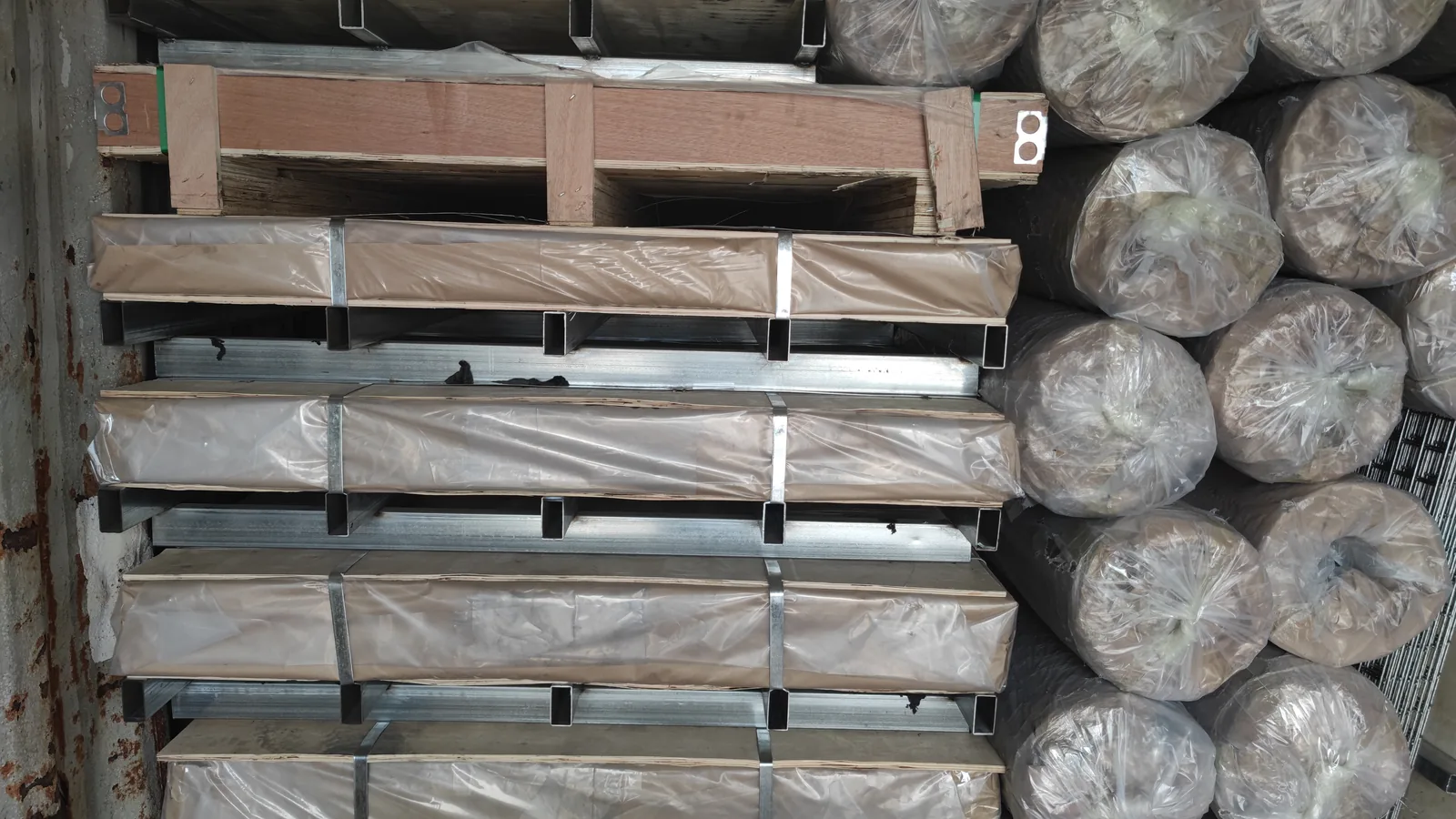
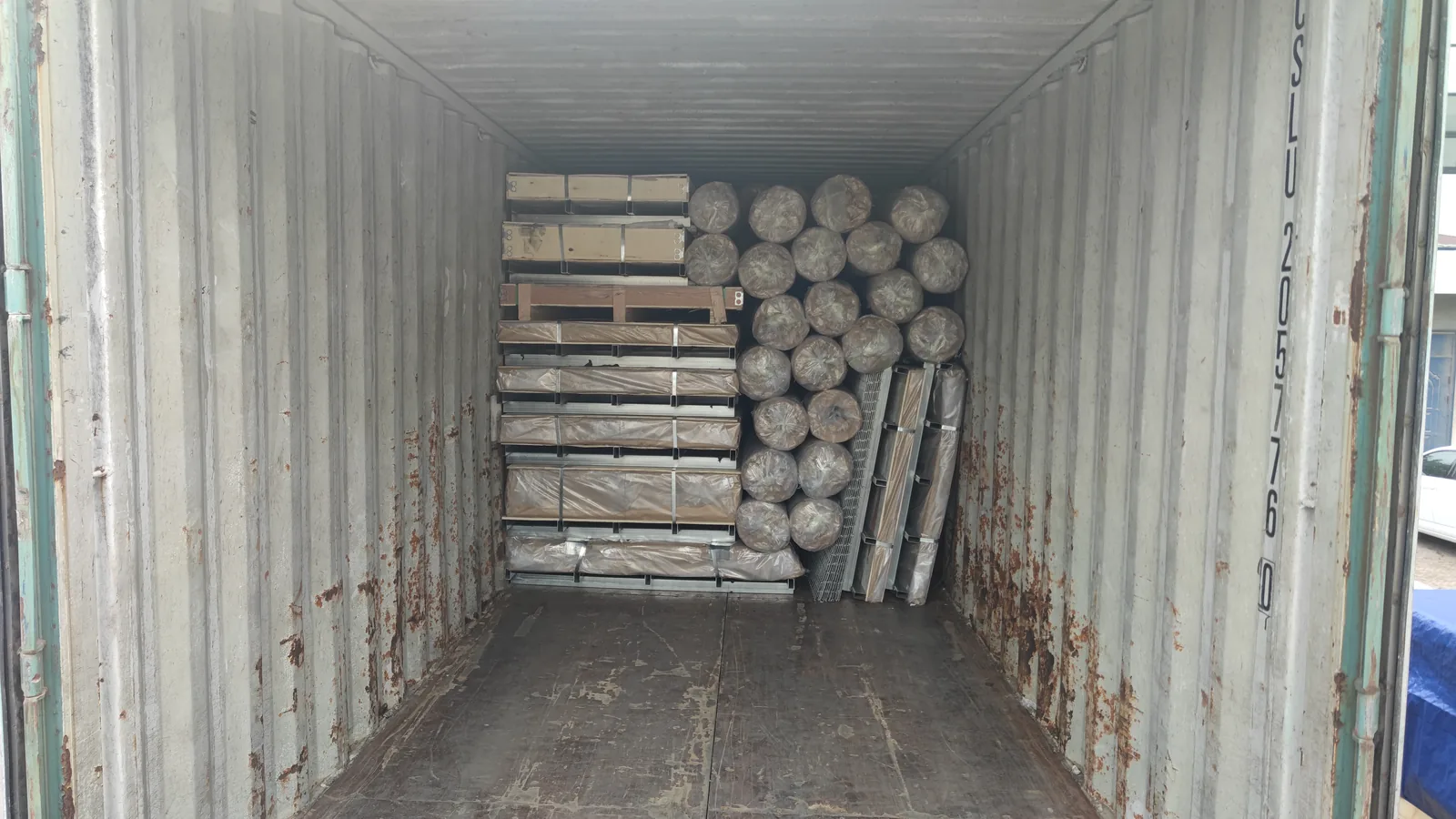
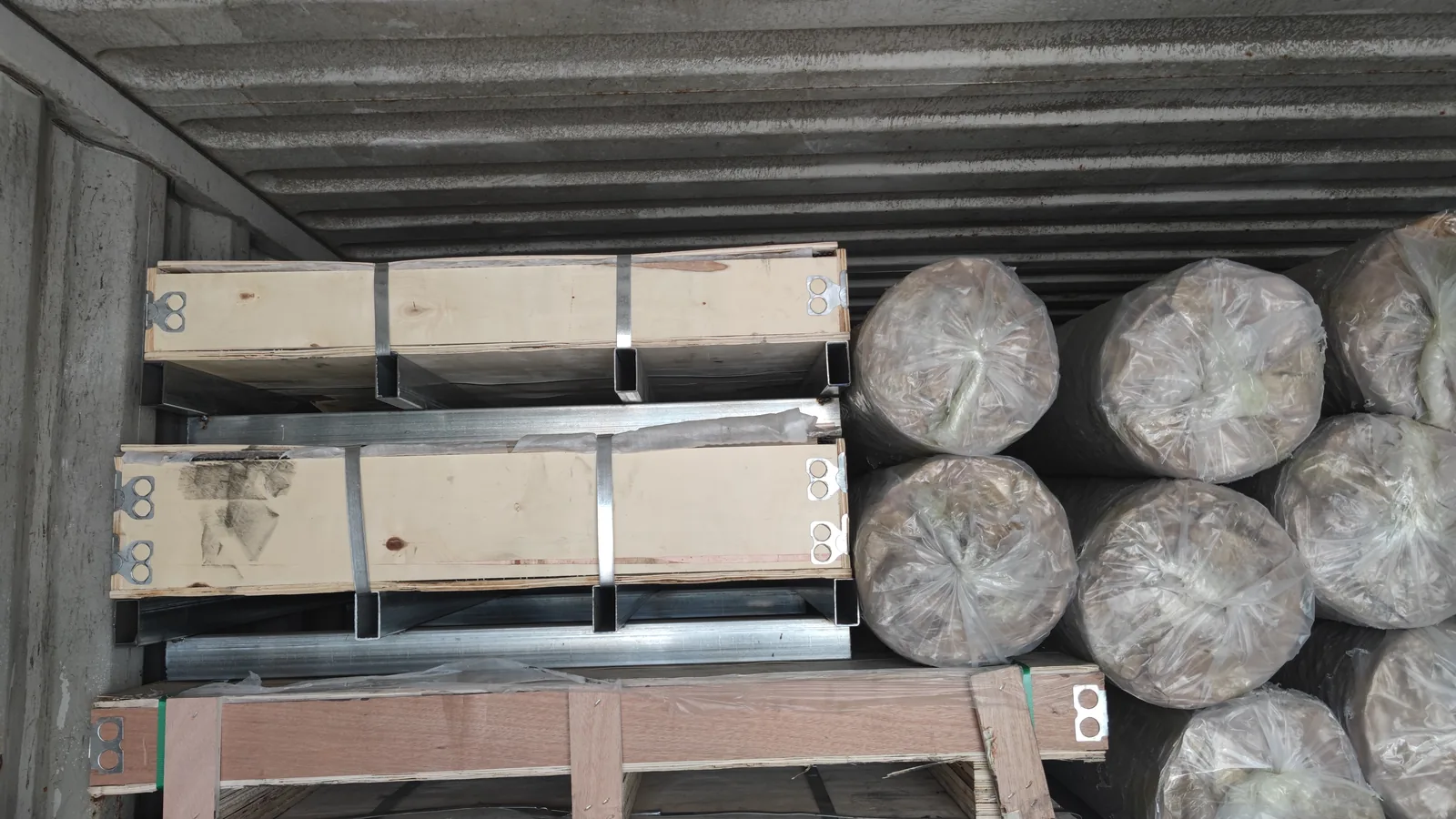
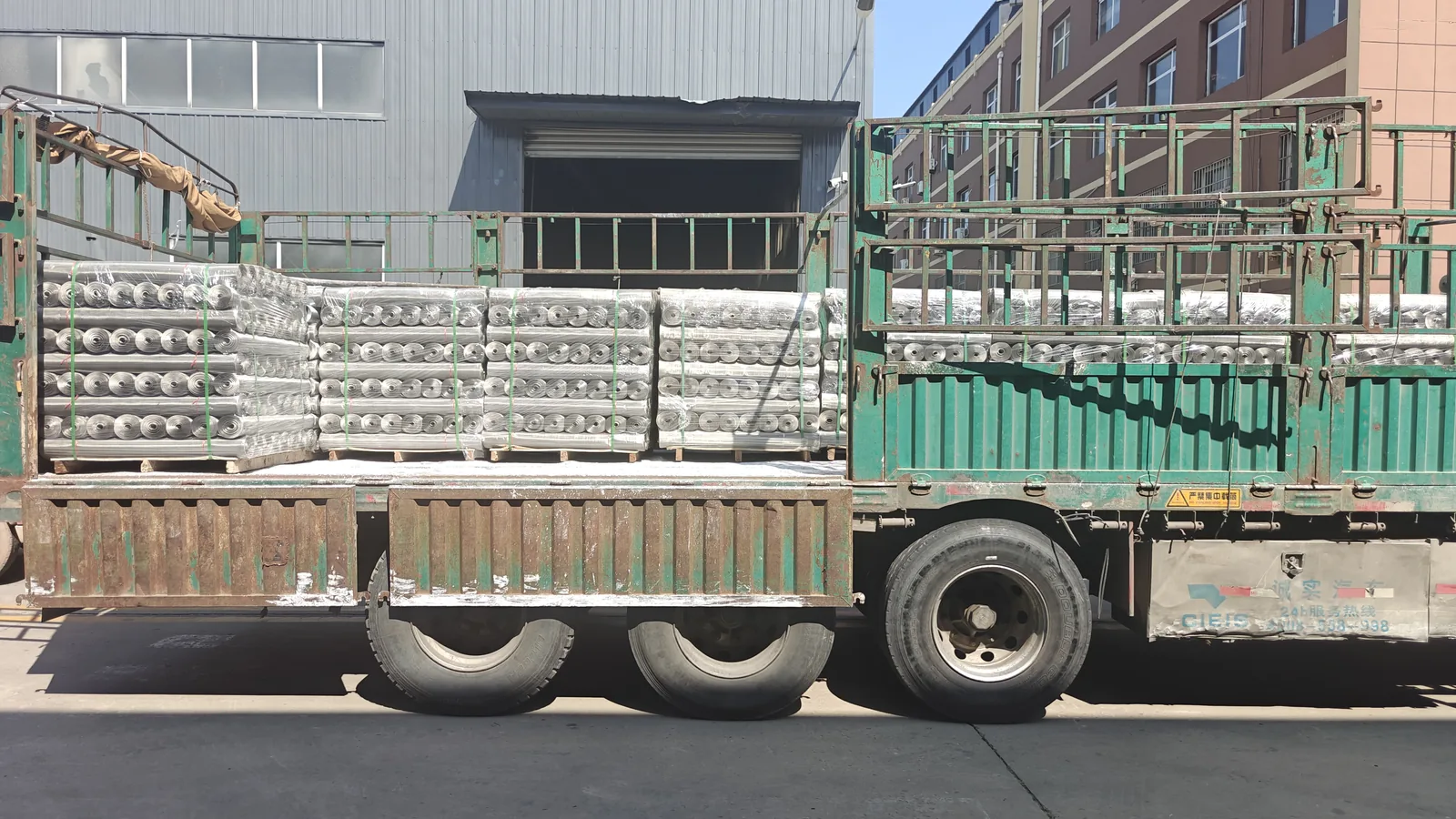
Packing and loading support
Protected bundles, export packing and shipment preparation.
Available Supply Forms
Sheets
Standard or custom sheet sizes.
Panels
Cut panels, with framing by agreement.
Coils
Roll supply for suitable mesh patterns.
Cut-to-Size Parts
Shapes and dimensions to your drawing.
Confirm dimensions, packing, MOQ and delivery requirements for your specification. View Inspection Photos ·View Packing & Shipment Photos
Expanded Metal FAQ
What is expanded metal used for?
Expanded metal is used for machine guards, fencing, ventilation screens, equipment enclosures, architectural facades, ceilings and selected access flooring. Match the material, opening dimensions and surface profile to the application; flooring also requires verified loads and supports.
What is the difference between raised and flattened expanded metal?
Raised mesh retains the angled strands produced during expansion. Flattened mesh is passed through rolls to reduce the profile and produce a smoother surface. Select the profile around the load, handling, fabrication and appearance required.
Can expanded metal be galvanized or powder coated?
Yes. Discuss the base material, intended environment and coating requirements when ordering. Specify whether galvanizing is required before or after fabrication, and provide a color reference for powder coating.
Should I start with a mesh pattern or a sheet size?
Start with mesh geometry when airflow, screening or a required clear opening drives the design. Start with the sheet dimensions when replacing a panel or fitting an existing frame. The final order needs both the mesh specification and finished panel dimensions.
What materials are available for expanded metal?
Options include carbon steel, galvanized steel, stainless steel, aluminum, copper and titanium. Availability of a particular pattern, thickness and finished size depends on the material grade and production requirements.
Can you make custom sizes and specifications?
Send a drawing or reference sample with opening dimensions, strand width, metal thickness, overall size, profile, finish and quantity. We will review manufacturability and confirm the final specification before production.
Is expanded metal suitable for walkways and platforms?
Raised grating can be used for access flooring where drainage and traction are needed. The panel thickness, diamond direction, framing and support spacing must be checked against the project load requirements before use.
Is expanded metal stronger than welded wire mesh?
Not necessarily. Expanded metal has continuous strands and integral bonds; welded wire mesh has wires joined at intersections. Relative strength depends on material grade, strand or wire dimensions, mesh geometry, loading direction and support conditions.
Is expanded metal suitable for outdoor applications?
Yes, when the material and finish suit the exposure conditions. Aluminum, an appropriate stainless steel grade, or suitably galvanized or coated carbon steel may be considered. Confirm the environment, coating specification and cut-edge protection before ordering.
What should I send for an expanded metal quotation?
Include the material grade, raised or flattened profile, SWD and LWD, strand width, thickness, sheet or panel dimensions, quantity, finish, application and shipping destination. Attach drawings or reference photos when available.
Get a Quote for Your Expanded Metal Project
Looking for an expanded metal supplier? Send your material grade, mesh profile, SWD / LWD, strand dimensions, sheet size, finish, quantity and delivery destination. A drawing or reference sample helps us review the right configuration for your project.
- Construction
- Slit and stretched sheet
- Profiles
- Raised / flattened
- Materials
- Steel, stainless steel, aluminum, copper & titanium
- Supply forms
- Sheets, panels & coils
Made to your specification · Request a quotation
Technical DataProduct parameters & construction details
- Construction
- Slit and stretched sheet
- Profiles
- Raised / flattened
- Materials
- Steel, stainless steel, aluminum, copper & titanium
- Supply forms
- Sheets, panels & coils
- Custom options
- Openings, thickness, size & finish