
YueChu Metal · Mesh geometry & screening
Expanded Metal Mesh: Openings & Open Area
Specify expanded metal mesh by diamond pitch, clear opening, strand width and open area. Match the finished mesh geometry to ventilation screens, screening supports and machine guards, then confirm the material, profile and panel dimensions for your order.
- SWD / LWD diamond pitch
- SWO / LWO clear openings
- Open area & strand geometry
- Ventilation & screening review
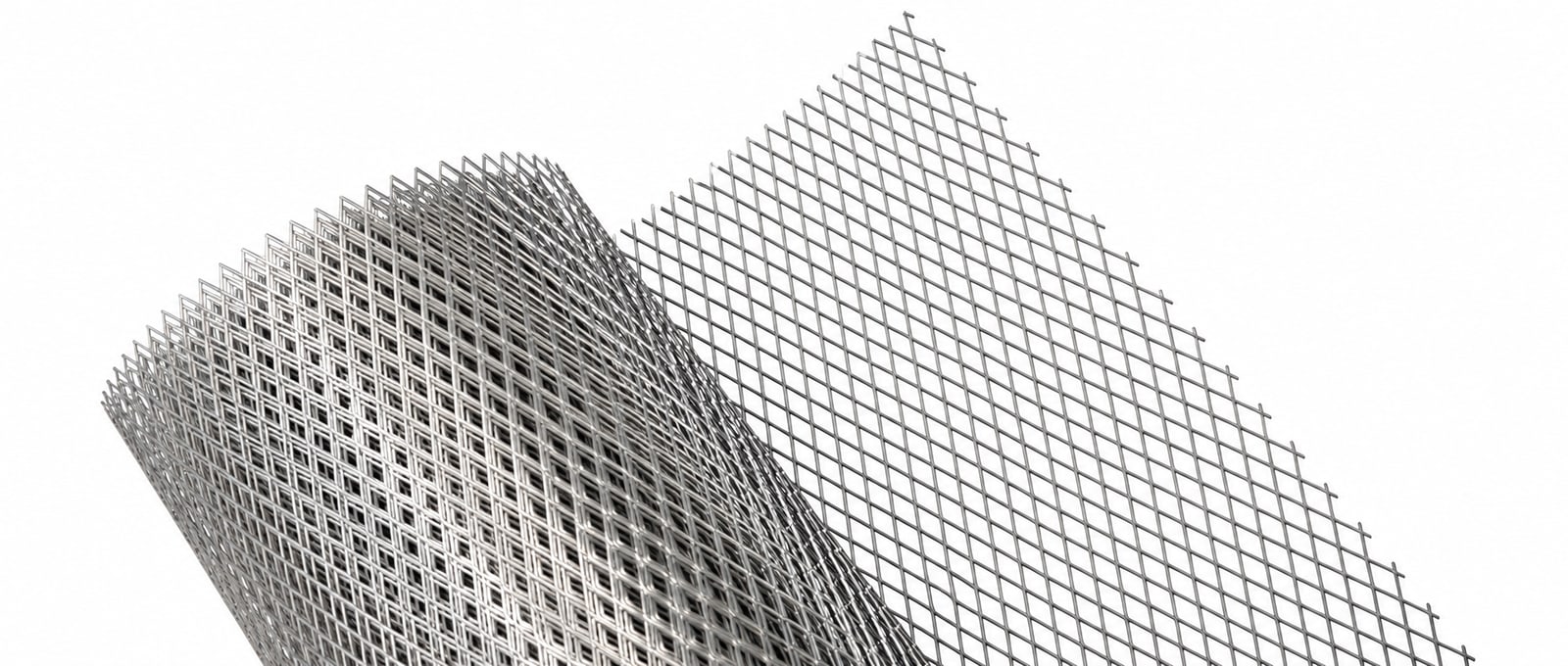
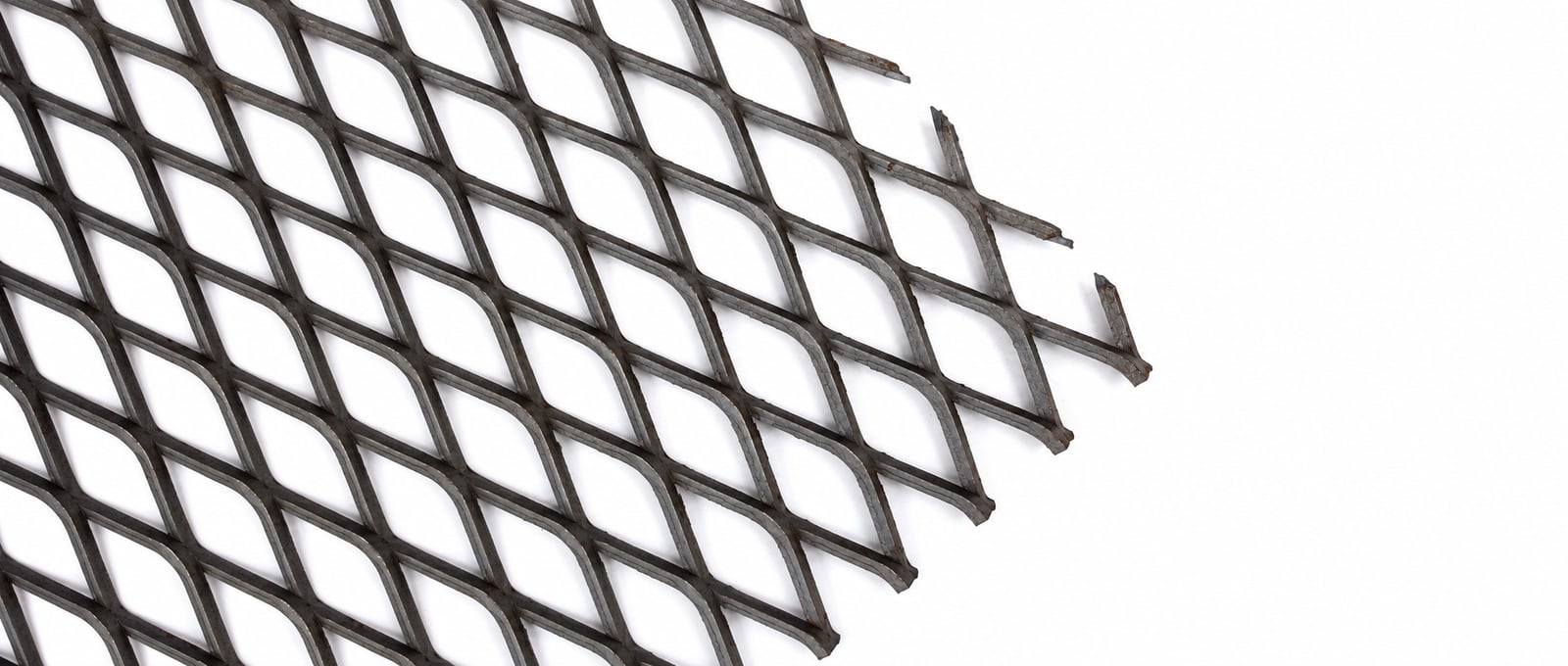
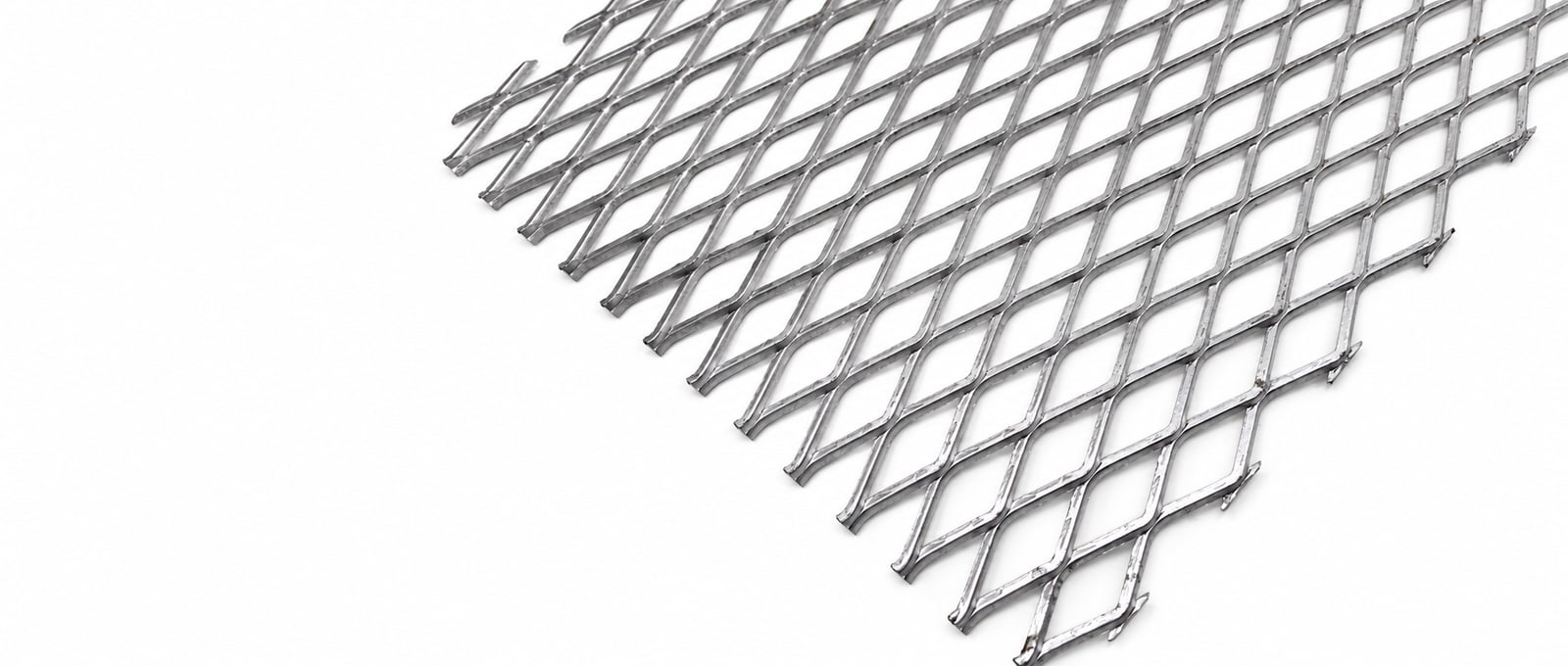
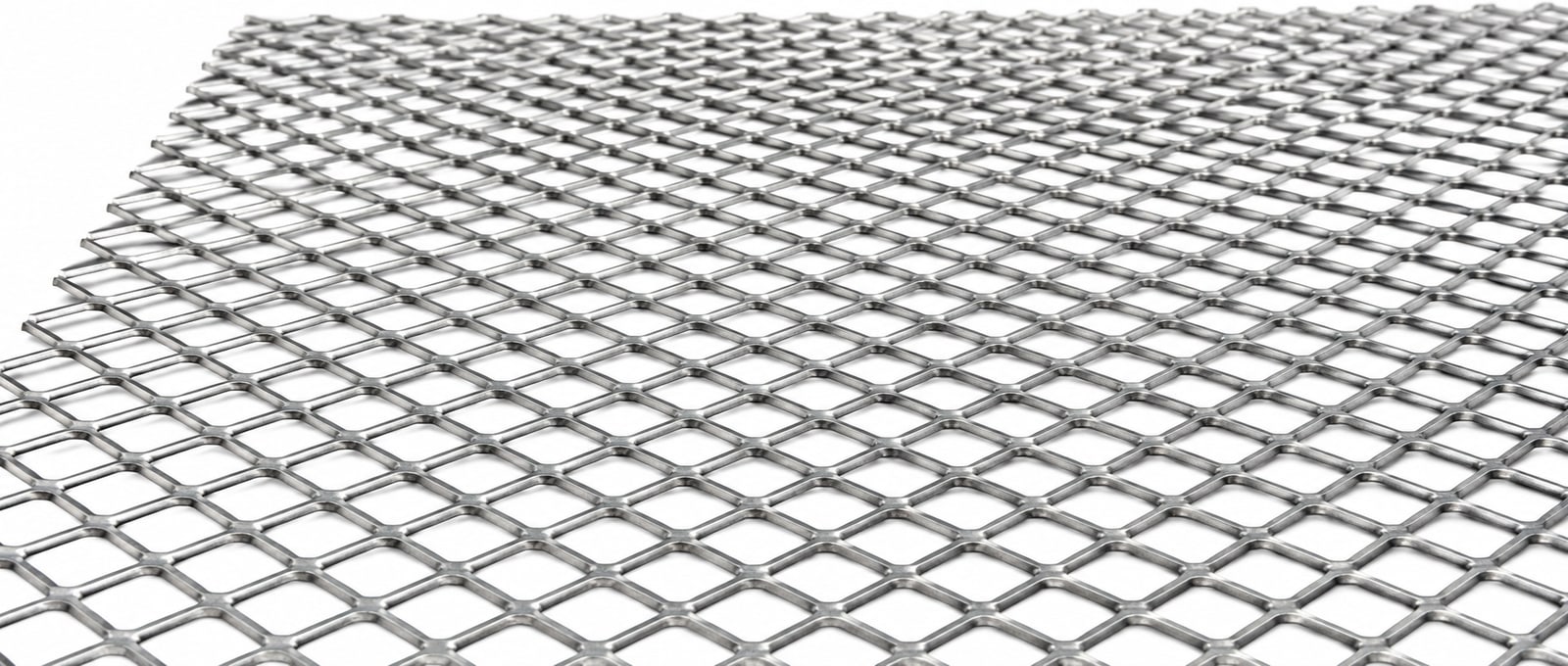
Expanded Metal Specifications & Dimensions
Compare reference patterns used in the USA, UK, Germany, France and Australia. Confirm material, finished dimensions and availability for your order.
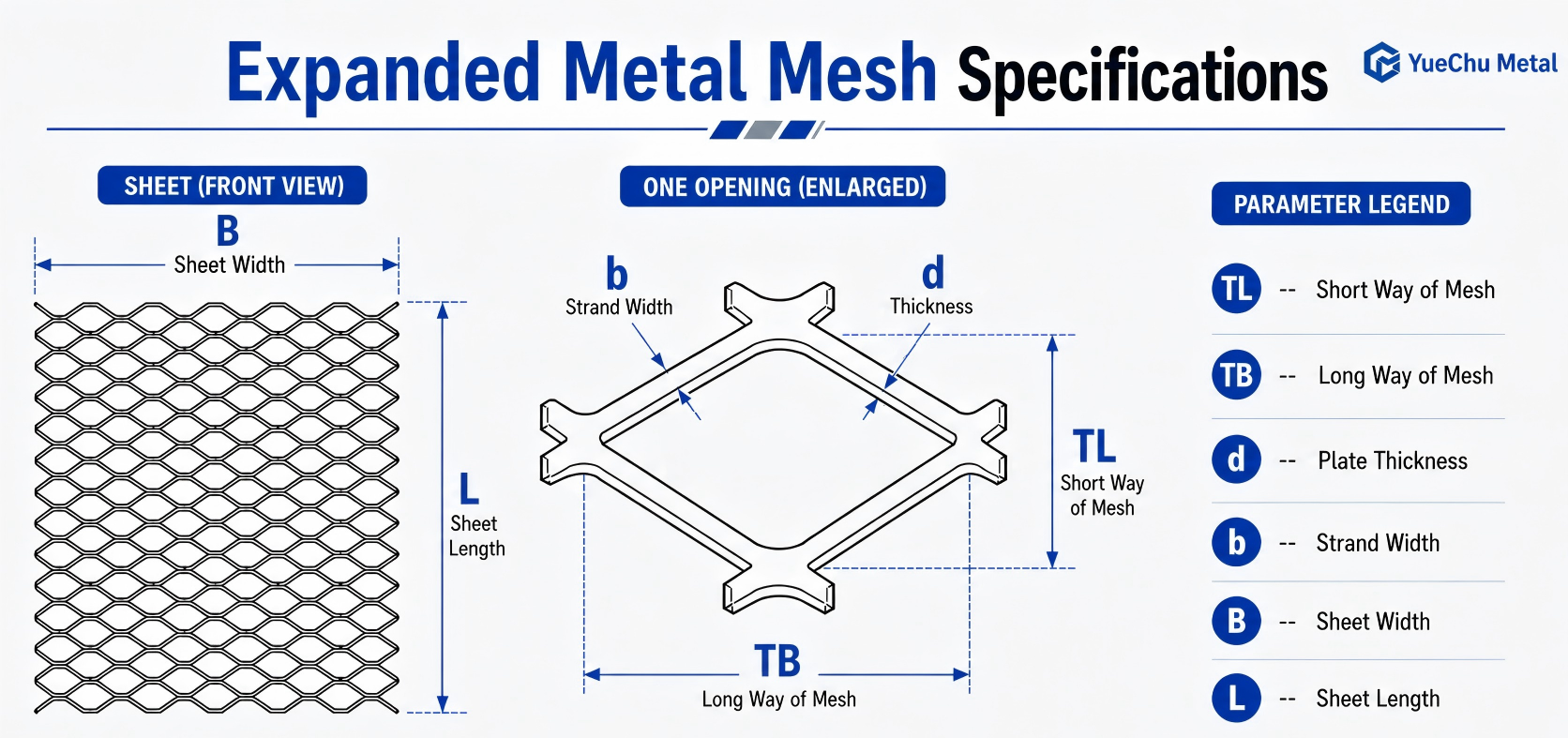
Pitch ≠ clear opening. Diagram labels: TL = short way, TB = long way, b = strand width, d = metal thickness, B = sheet width and L = sheet length. Specify whether the short and long dimensions on your drawing are bond-center pitches (SWD / LWD) or clear openings (SWO / LWO).
- LWD × SWD
- Long × short way of the diamond pitch, measured between corresponding bond centers.
- Strand width & thickness
- Strand width is w; base metal thickness is t. Raised overall thickness T is a separate dimension.
- SWO / LWO
- The short and long dimensions of the clear opening between strands; these are smaller than the corresponding diamond pitches.
- Open area & sheet size
- Open area is the percentage occupied by openings. Sheet size is the overall width and length; specify diamond orientation separately.
All dimensions are in mm. LWD and SWD are the long and short diamond pitches, measured between corresponding bond centers. ≈ indicates an approximate value. Scroll horizontally to compare all fields.
| Style / pattern | Profile | Base thickness t (mm) | Strand width w (mm) | LWD (mm) | SWD (mm) |
|---|---|---|---|---|---|
| 1/2" #16 F | Flattened | 1.22 | 2.49 | 32.00 | 12.70 |
| 3/16" .032 R | Raised | 0.81 | 0.89 | 12.70 | 5.97 |
| 1/2" #20 R | Raised | 0.91 | 1.83 | 30.48 | 12.70 |
| 1/2" #18 F | Flattened | 1.04 | 2.11 | 32.00 | 12.19 |
| 1/4" #18 R | Raised | 1.22 | 2.18 | 25.40 | 6.35 |
| 3/4" #16 F | Flattened | 1.22 | 2.82 | 53.34 | 23.44 |
| 3/4" .081 Light F | Flattened | 1.52 | 3.02 | 53.34 | 23.44 |
| 3/4" #13 F | Flattened | 1.83 | 2.69 | 53.34 | 23.44 |
| 1-1/2" #13 F | Flattened | 1.93 | 2.90 | 81.28 | 33.78 |
| 1/2" .081 R | Raised | 2.03 | 2.21 | 30.48 | 12.70 |
| 3/4" .081 Light R | Raised | 2.03 | 2.90 | 50.80 | 23.44 |
| 3/4" #13 R | Raised | 2.29 | 2.44 | 50.80 | 23.44 |
| 3/4" #13 R (SS) | Raised | 2.29 | 2.67 | 50.80 | 23.44 |
| 1-1/2" .125 F | Flattened | 2.39 | 4.34 | 80.01 | 33.78 |
| 2" #9 R | Raised | 3.40 | 3.78 | 101.60 | 46.89 |
| 3/4" #9 R | Raised | 3.40 | 3.81 | 50.80 | 23.44 |
| N6664F | Flattened | 0.70 | 1.50 | 6.15 | 3.69 |
| Pattern 1294 | Raised | 1.60 | 2.36 | 30.48 | 11.72 |
| 2490F | Flattened heavy mesh | 3.50 | 6.00 | 46.99 | 15.49 |
| 2089A | Raised | 3.00 | 3.12 | 50.80 | 22.58 |
| Raute 50 × 22 × 4 | Diamond mesh | 2.00 | 4.00 | 50.00 | 22.00 |
| Raute 45 × 20 × 5 | Diamond mesh | 1.00 | 5.00 | 45.00 | 20.00 |
| Raute 200 × 55 × 6 | Diamond mesh | 3.00 | 6.00 | 200.00 | 55.00 |
| Raute 62 × 23 × 3 | Diamond mesh | 1.00 | 3.00 | 62.00 | 23.00 |
| Small mesh 6 × 3 | Diamond mesh | ≈ 0.50 | ≈ 0.80 | 6.00 | 3.00 |
| Rhomboidal 20 × 10 | Diamond mesh | 1.00 | 2.00 | 20.00 | 10.00 |
| Rhomboidal 30 × 17 | Diamond mesh | 1.50 | 2.50 | 30.00 | 17.00 |
| Rhomboidal 43 × 13 | Raised / flattened | 1.50 | 2.50 | 43.00 | 13.00 |
| 1212 reference pattern | Raised / flattened | 1.20 | 2.20 | 30.00 | 12.00 |
| 0910A reference pattern | Aluminum mesh | 1.00 | 1.50 | 28.00 | 9.00 |
Market style numbers are pattern designations, not a complete thickness or load specification. For grating, verify material, strand geometry, support spacing and design loads.
Send a pattern or drawing for quotationSpecify the opening pattern
What Defines an Expanded Metal Mesh Pattern?
An expanded metal mesh pattern is defined by its diamond pitch, clear openings, strand width, base metal thickness and surface profile. These dimensions describe how the connected strands admit air, light or particles. Specify the finished geometry when matching a screen or reviewing an opening requirement.
YueChu Metal reviews mesh inquiries against a drawing or sample. Include the service conditions, material and finish as well as the dimensions; a pattern name alone does not establish airflow, filtration efficiency or guarding performance.
Need a 4×8 sheet, cut panel or specified edge? Use the sheet size, cutting and tolerance guide.
Choose your surface profile
How Raised & Flattened Profiles Affect Mesh Geometry
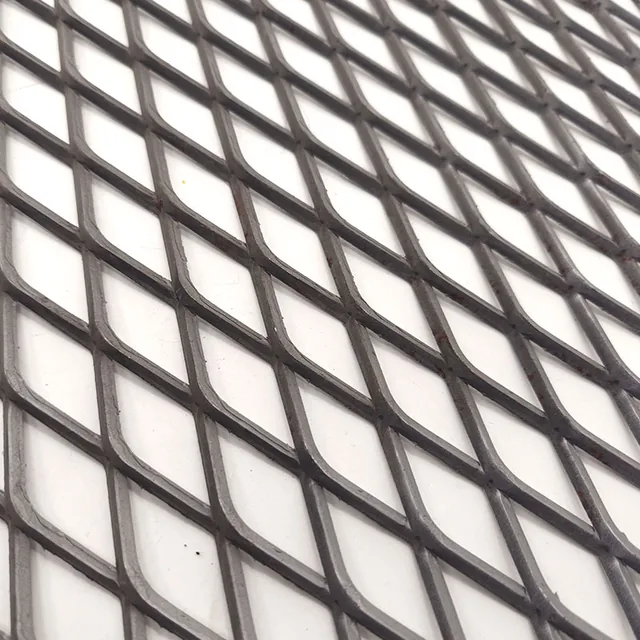
Raised Expanded Metal Mesh
Angled strands give a three-dimensional opening. Specify the viewing or flow direction and measure overall mesh height separately from base metal thickness.
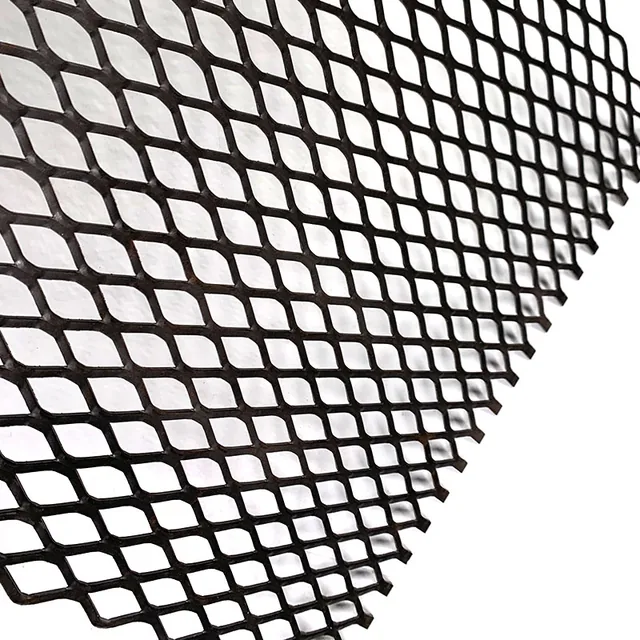
Flattened Expanded Metal Mesh
Rolling changes the strand profile and opening geometry. Use finished flattened dimensions when comparing clear openings or fitting a screen assembly.
The two profiles can differ in finished thickness, opening geometry and strand dimensions. Confirm the required profile before ordering, and review the application and support conditions when load capacity matters.
Check the finished opening
Material & Coating Effects on Mesh Openings
Confirm the opening dimensions for the selected material and manufacturing condition. Flattening and finishing can change the geometry that matters to a screen. If clearance is critical, agree on whether inspection occurs before or after the coating process and on the measurement locations.
For corrosion exposure, alloy choices and finish options, compare expanded metal materials or review the stainless steel and aluminum product pages.
Specify pitch and clear opening separately
How to Measure Expanded Metal Mesh
Define the repeating diamond pitch, clear opening, strand dimensions, base metal thickness and finished panel size.
- SWD
- Short Way of Diamond — center-to-center pitch in the short direction.
- LWD
- Long Way of Diamond — center-to-center pitch in the long direction.
- SWO / LWO
- Short / Long Way Opening — clear distance between strands, not diamond pitch.
- Strand width
- Width of the metal strand, measured across the strand.
- Strand thickness
- Base metal thickness at the agreed measurement location. Overall raised profile thickness is a separate dimension.
- Open area
- Percentage of the mesh area occupied by openings.
SWD and LWD are not clear openings. When clearance is critical, specify SWO and LWO separately. For raised mesh, specify overall profile thickness separately from base metal thickness.
Follow the expanded metal measurement guide to record pitches, clear openings and strand dimensions with consistent reference points.
View Pitch & Clear Opening GuideSeparate geometry from performance
Expanded Metal Mesh Open Area, Airflow & Screening
Open area is the proportion of projected mesh area occupied by openings. It helps compare patterns, but does not establish an airflow rate, pressure drop or filtration rating. Confirm the projection direction, finished condition and operating requirements before selecting a mesh.
| Parameter | What it describes | What to specify |
|---|---|---|
| Clear opening | Free space between adjacent strands, identified as SWO and LWO. | Specify the finished opening and tolerance when clearance or particle passage matters. |
| Diamond pitch | Repeating bond-center distances, identified as SWD and LWD. | Do not substitute clear openings for pitch when matching a pattern or using a calculator. |
| Open area | Percentage of the projected mesh area occupied by openings. | State the projection direction and whether the value applies before or after finishing. |
| Airflow performance | Flow through the mesh depends on geometry, orientation and the complete installation. | Provide airflow and allowable pressure-drop requirements; open area alone is not a flow rating. |
Use the expanded metal weight and open area calculator for an initial estimate with bond-center pitches. Confirm the result against the selected finished mesh; provide testing or sample requirements where service performance is critical.
Opening requirements by use
Mesh Selection for Ventilation, Screening & Guards
Ventilation Screens & Air Grilles
Compare clear openings, projected open area and strand angle. Supply the required airflow, installation direction and allowable pressure drop for assembly review.
Screening & Filter Supports
For support mesh, specify the supported filter medium and contact surface. If the mesh itself separates particles, review actual particle shape and the finished clear openings; a diamond pitch is not a micron filtration rating.
Machine Guards & Equipment Covers
Balance ventilation and visibility with the required clear opening and distance to the hazard. Provide the applicable guarding requirements for the complete assembly.
Visibility & Light Screens
Specify viewing direction and diamond orientation. Raised strands can give different sight lines from opposite sides, so use a sample when appearance or privacy is critical.
For equipment protection, review expanded metal machine guards alongside the opening and hazard-distance requirements.
For walkways, platforms or other load-bearing uses, review expanded metal grating and verify design loads, support spacing and fixings. Mesh size or open area alone does not establish suitability.
A practical buying checklist
How to Choose the Right Mesh
Record the opening requirement and measurement method first. Then check the finished mesh profile and service conditions against the following acceptance points.
- Required clearance
- Finished SWO / LWO and opening tolerances
- Pattern replacement
- SWD / LWD, strand width, base thickness and a labeled sample photo
- Ventilation
- Projected open area, strand angle, flow direction and pressure-drop requirements
- Screening
- Particle shape, separation requirement and an application-specific sample review
- Finished geometry
- Raised or flattened profile, coating and agreed measurement locations
- Acceptance
- Approved drawing, measurement method and inspection requirements
Replacing an existing mesh? Send a photograph with a ruler, the original specification or a technical drawing so we can review the dimensional requirements before quotation.
Expanded Metal Manufacturing & Customization
A slit-and-stretched sheet, configured around your project.
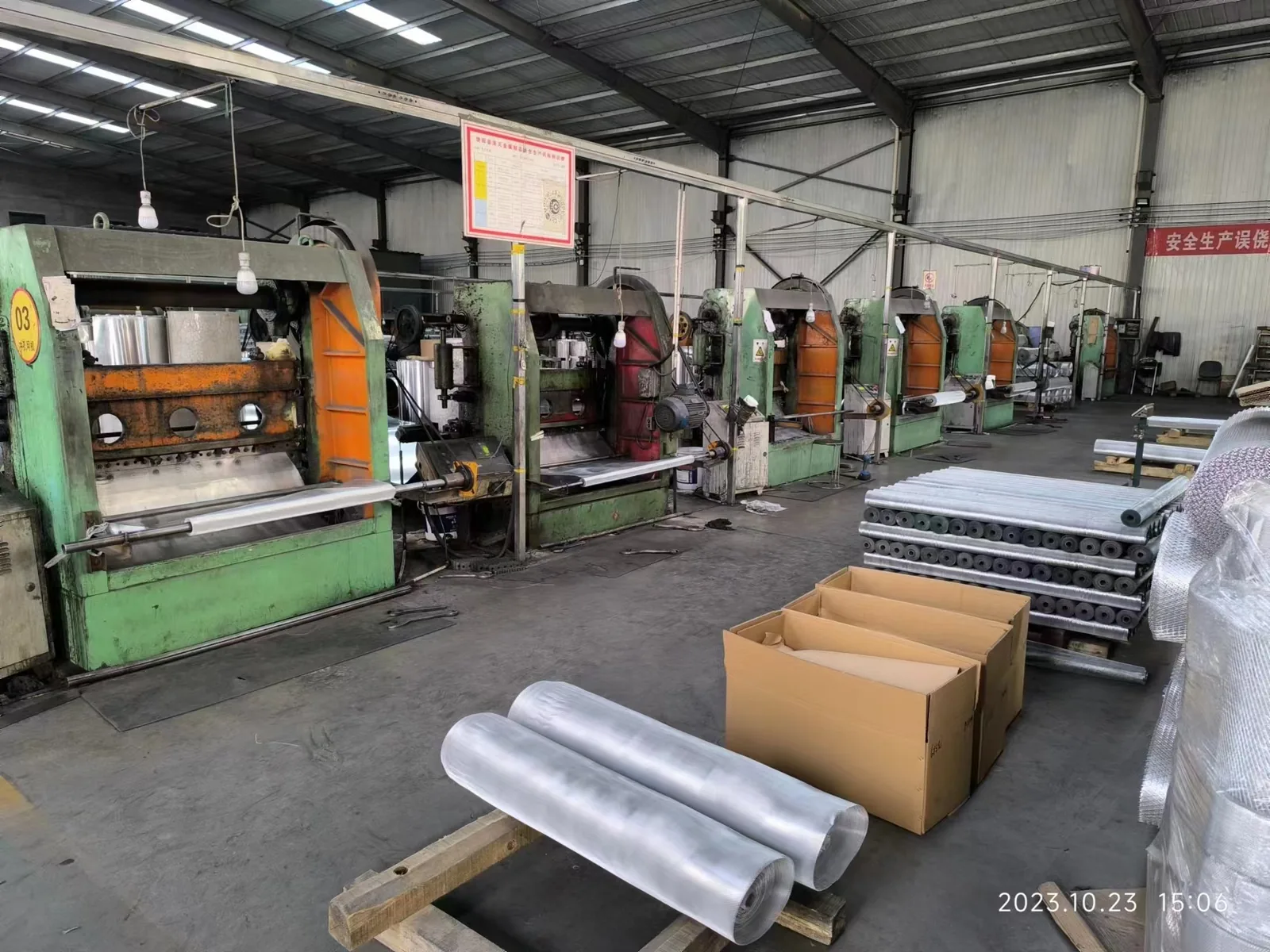
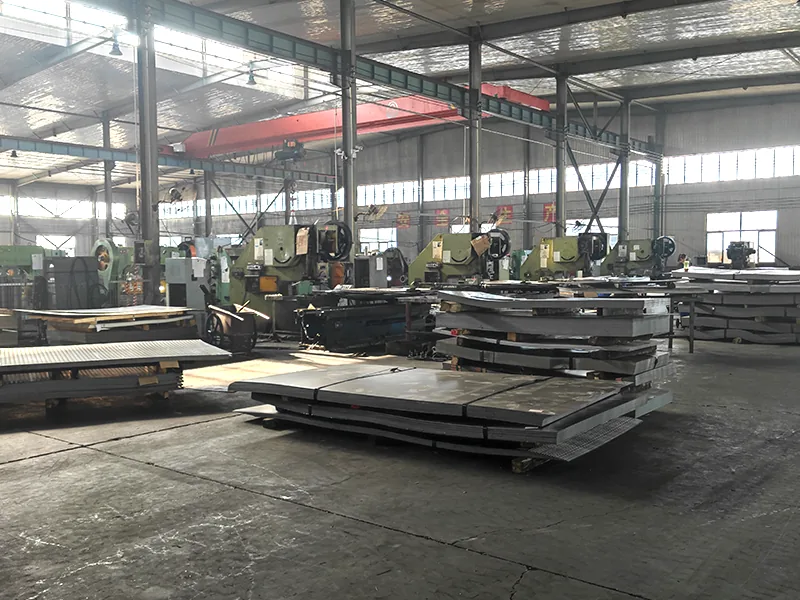
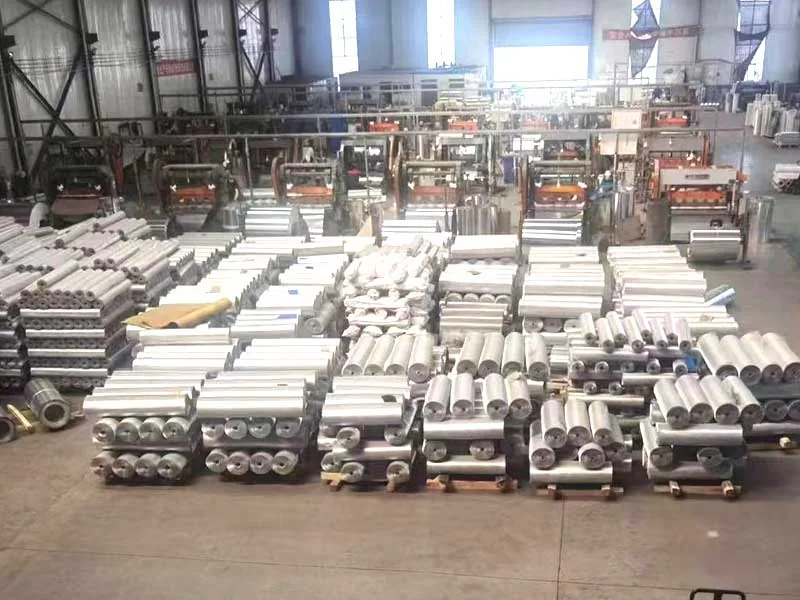
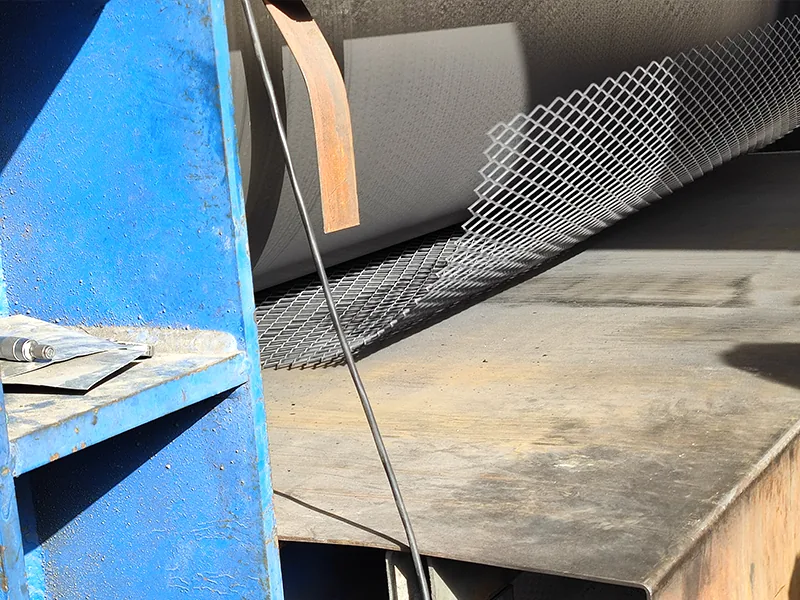
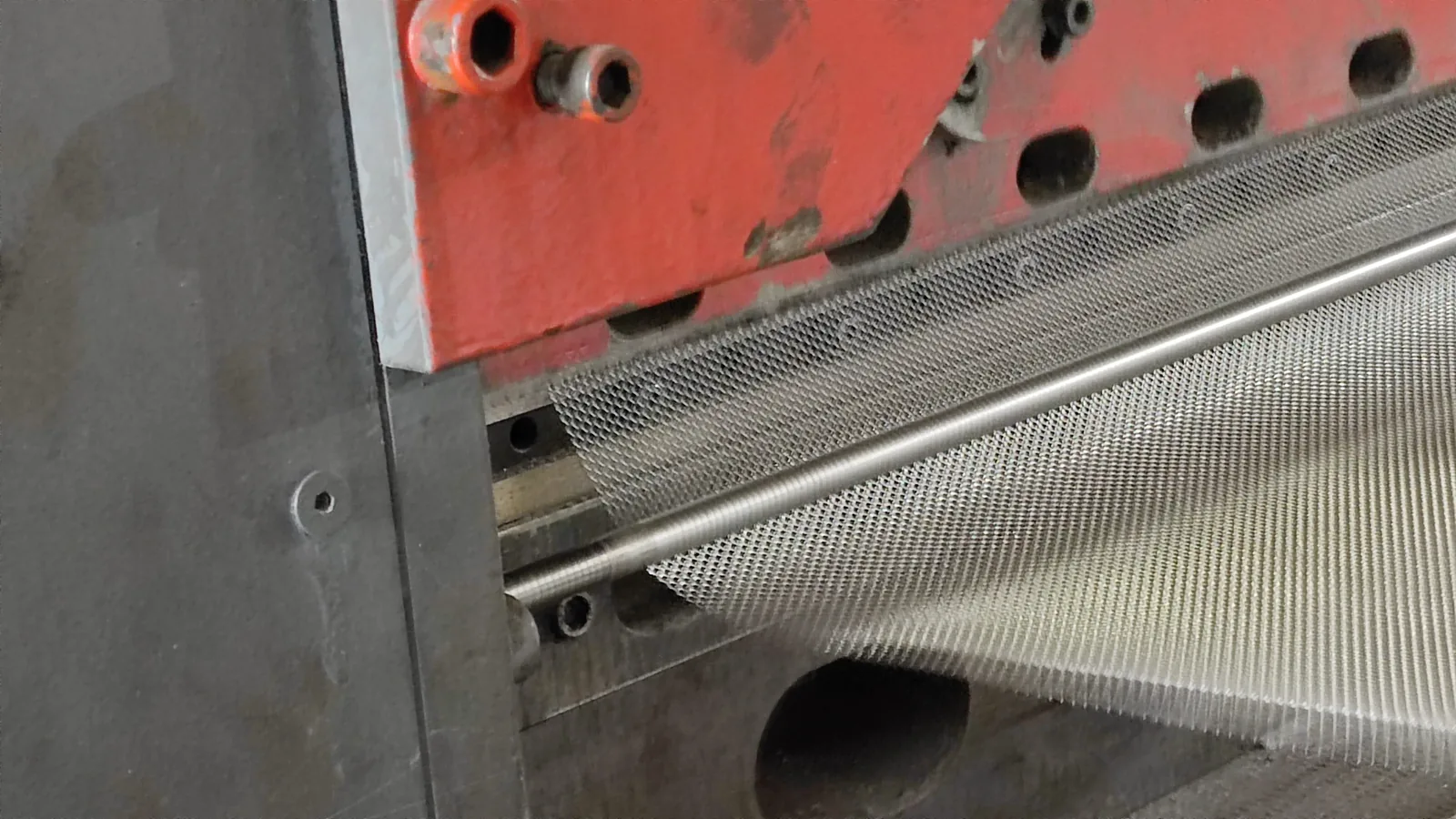
Slitting and stretching turn solid sheet into connected mesh. Raised mesh retains angled strands; rolling creates a smoother, flattened profile. Cutting, forming and finishing follow your agreed specification.
See the real manufacturing process
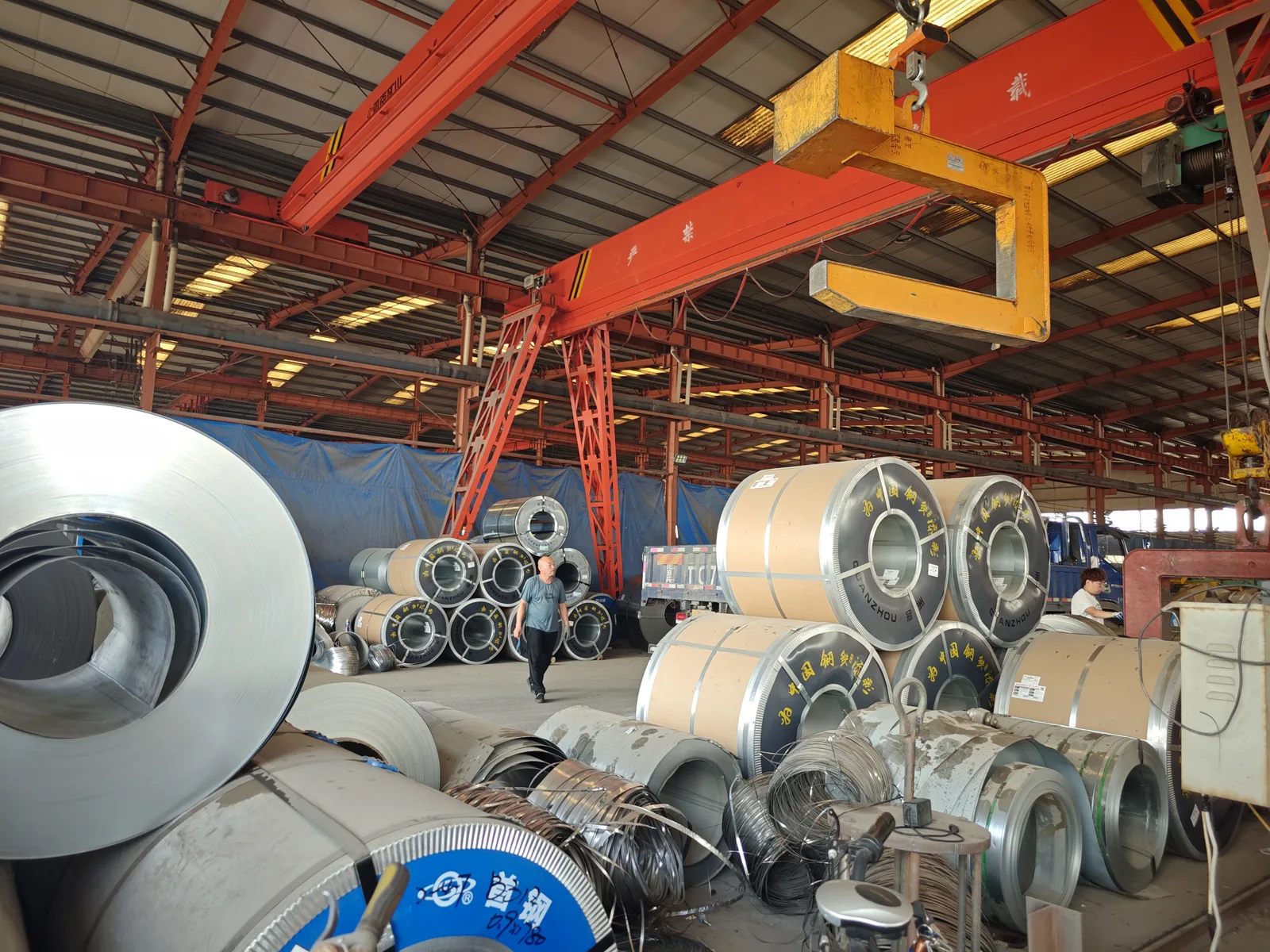
Production equipment, workshop areas and incoming material stock.
Quality Control & B2B Supply Support
Agree on material, dimensions, tolerances and inspection requirements before production.
Approved drawings or samples help keep repeat orders consistent. Include inspection records, material documents and packing or identification requirements in your inquiry.
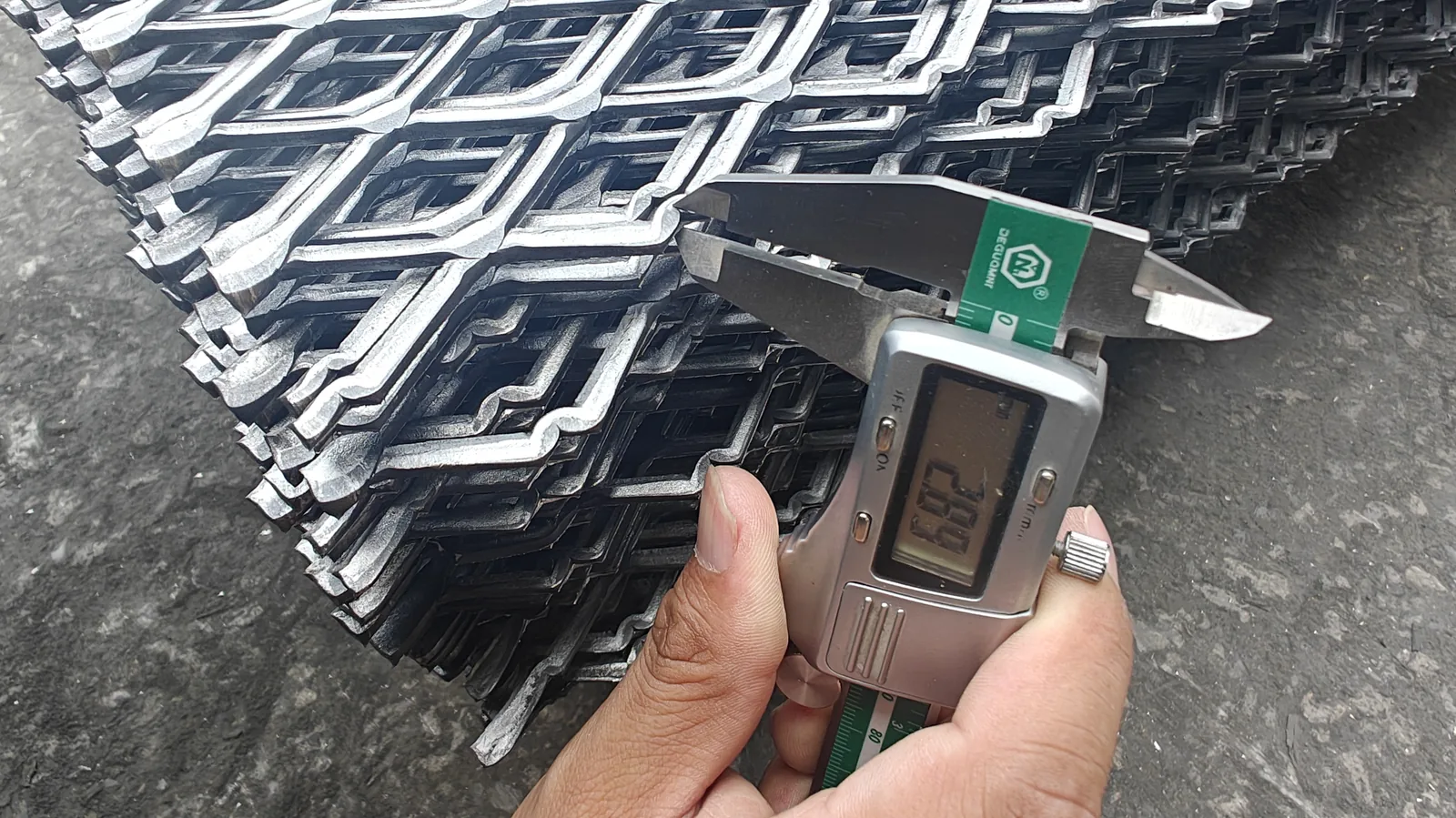
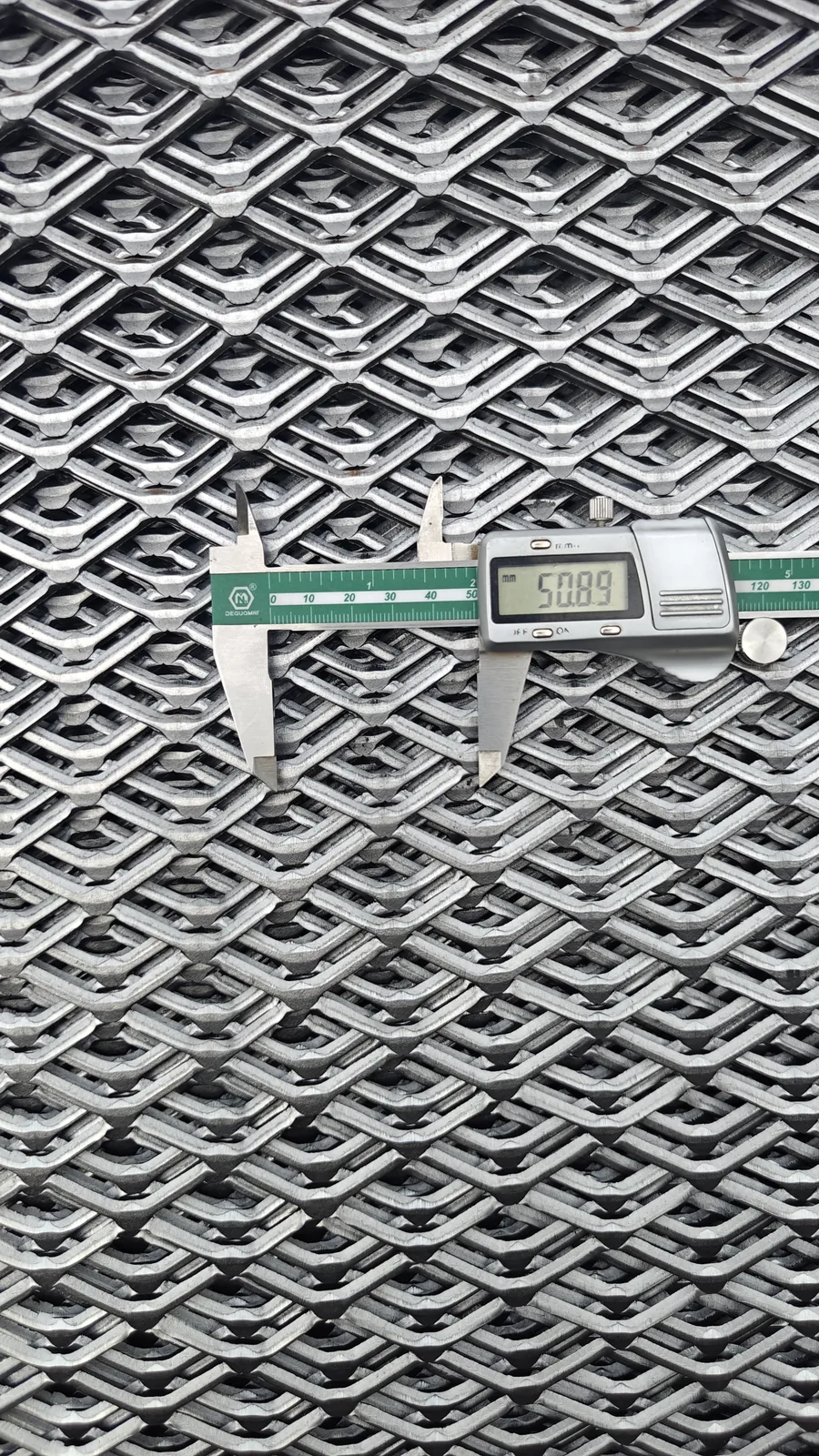
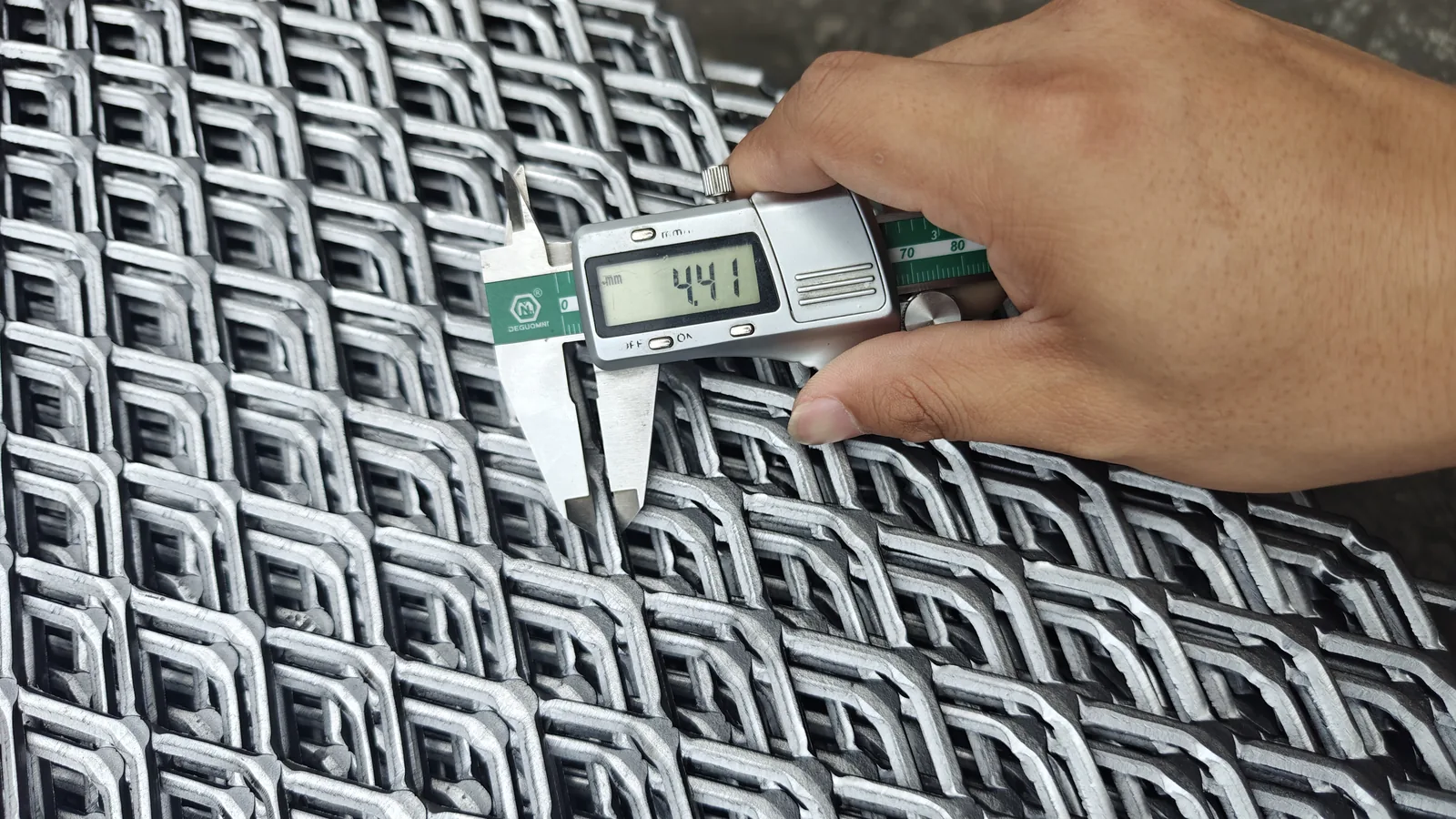
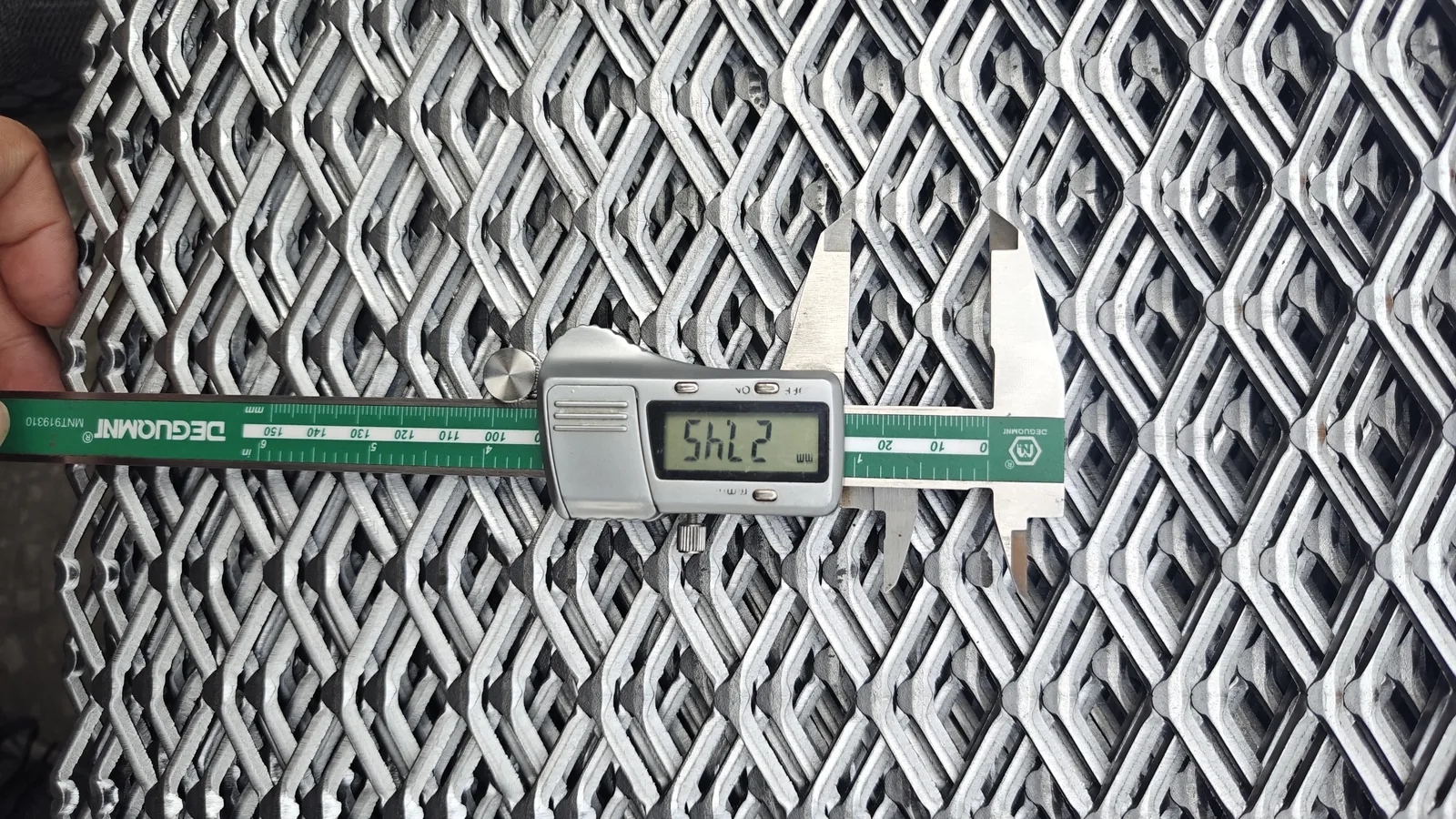
Dimension inspection for your specification
Measuring tools and dimensional checks for expanded metal products.
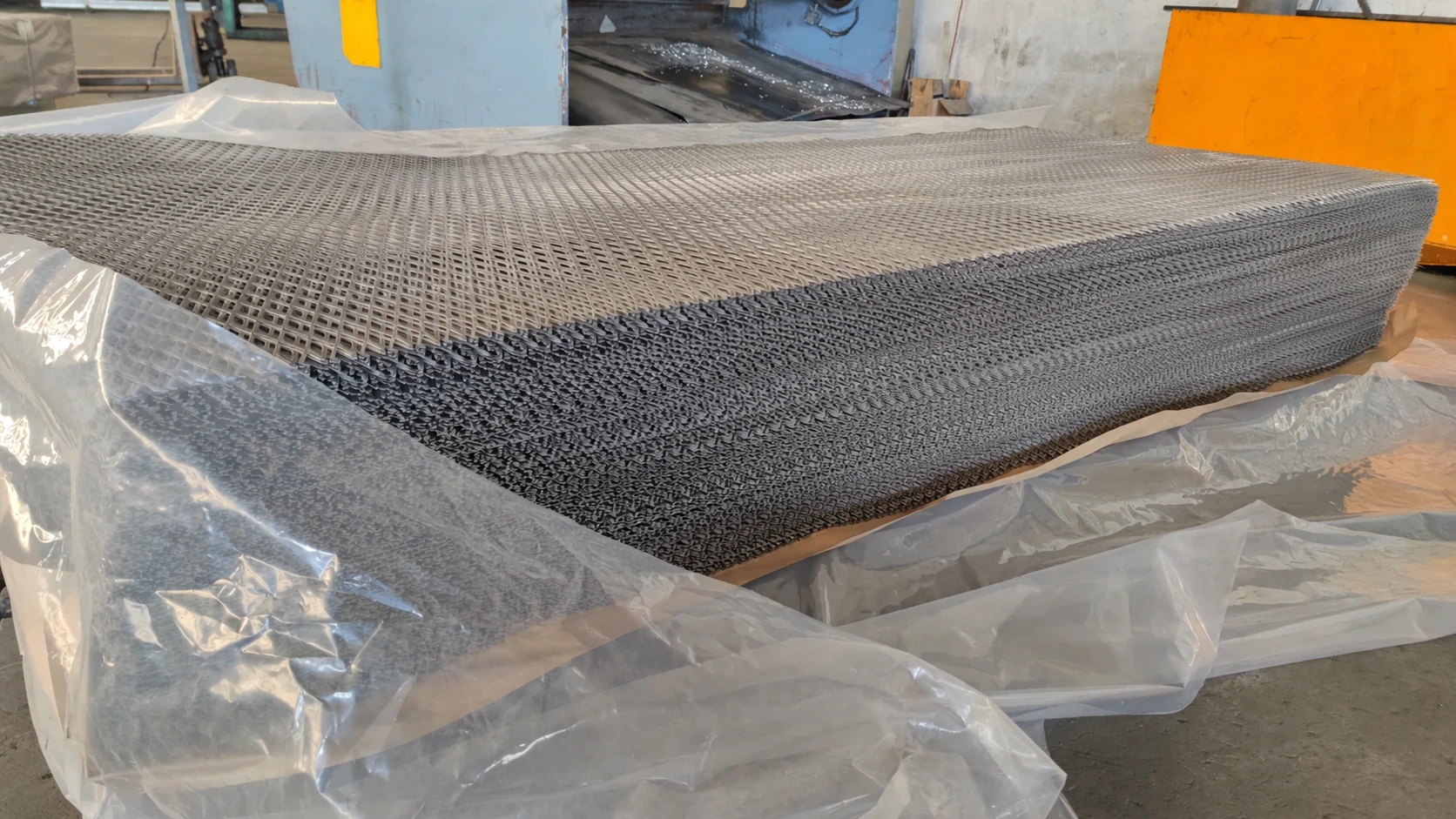
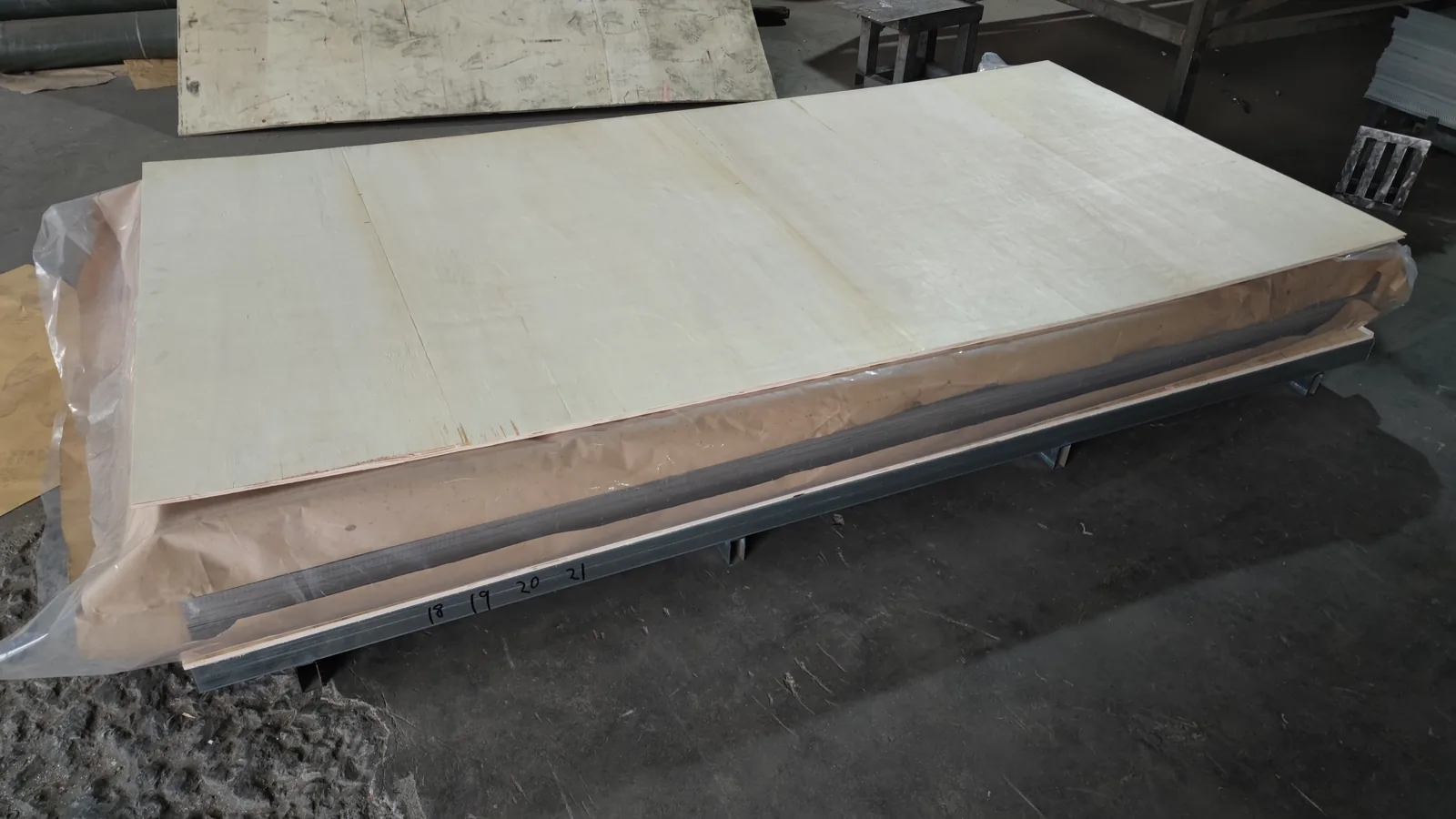
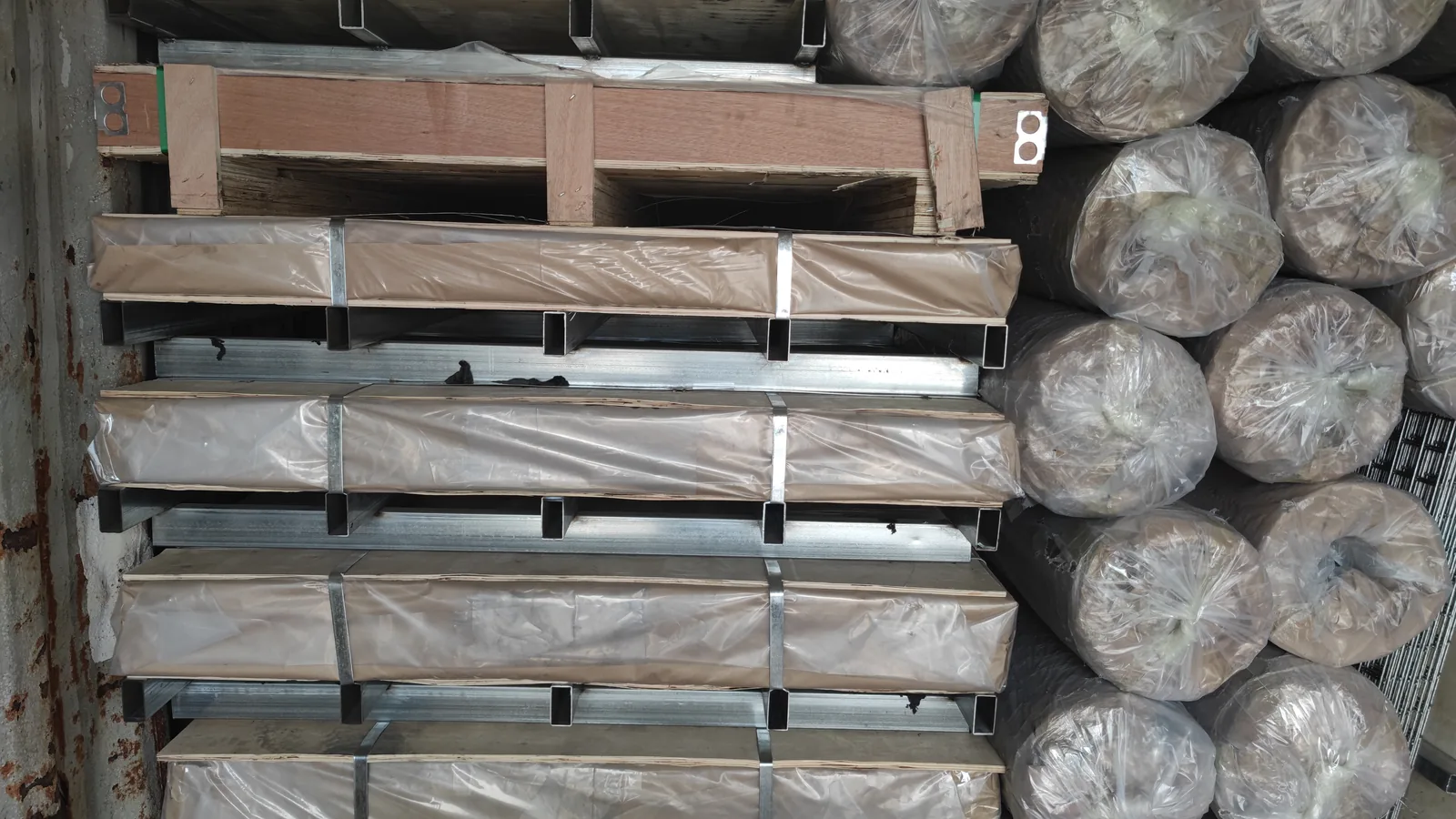
Packing and loading support
Protected bundles, export packing and shipment preparation.
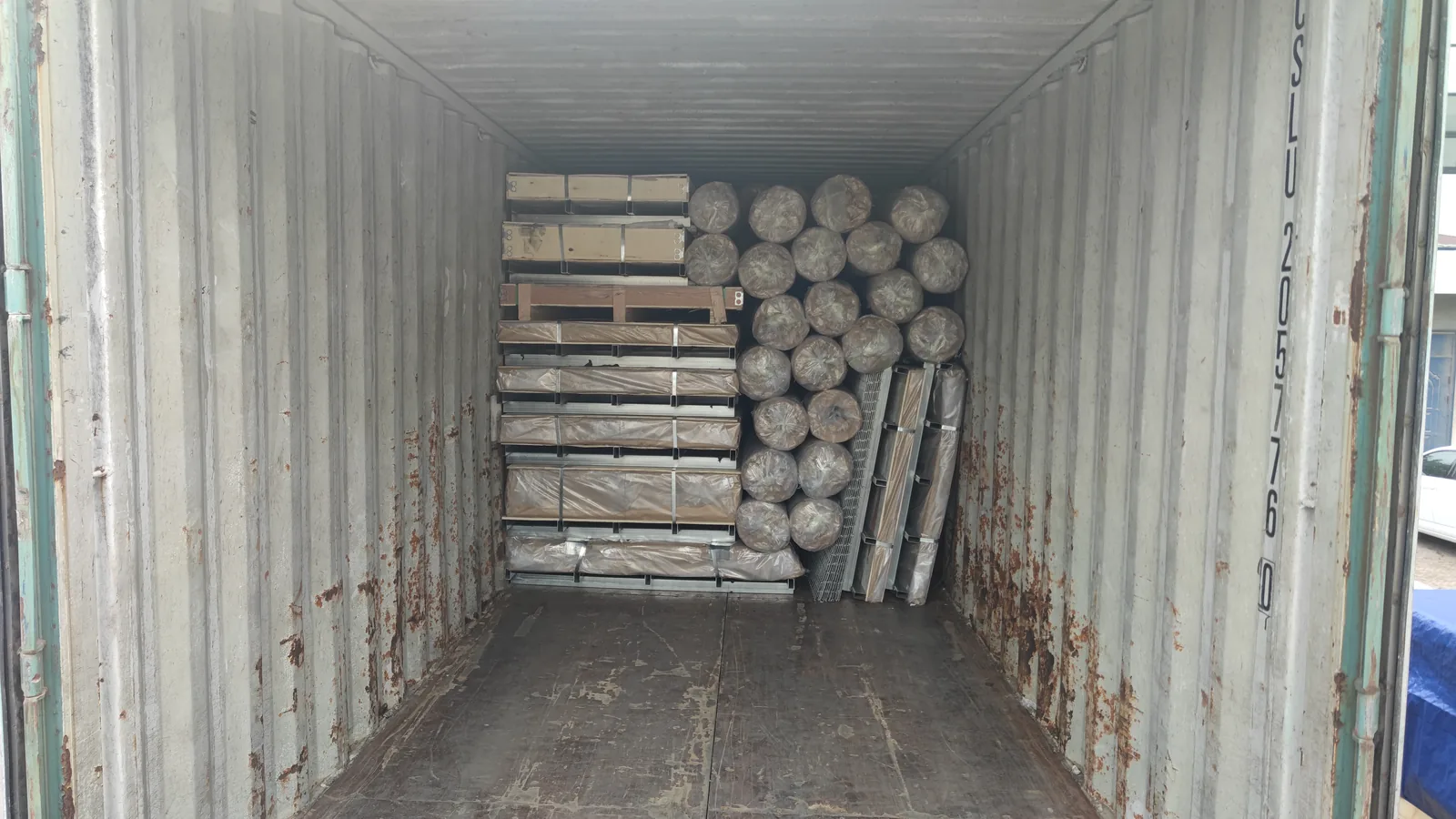
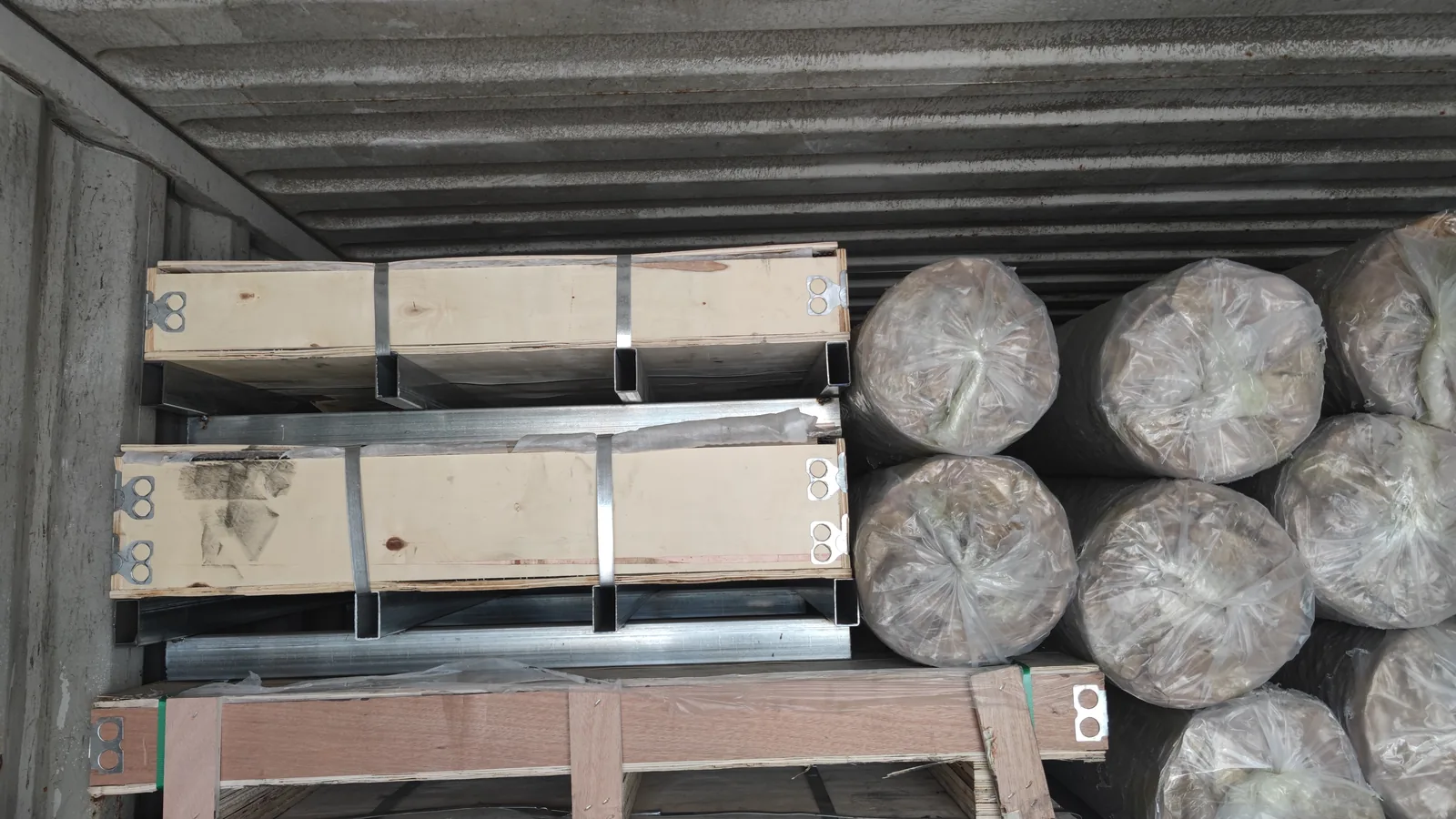
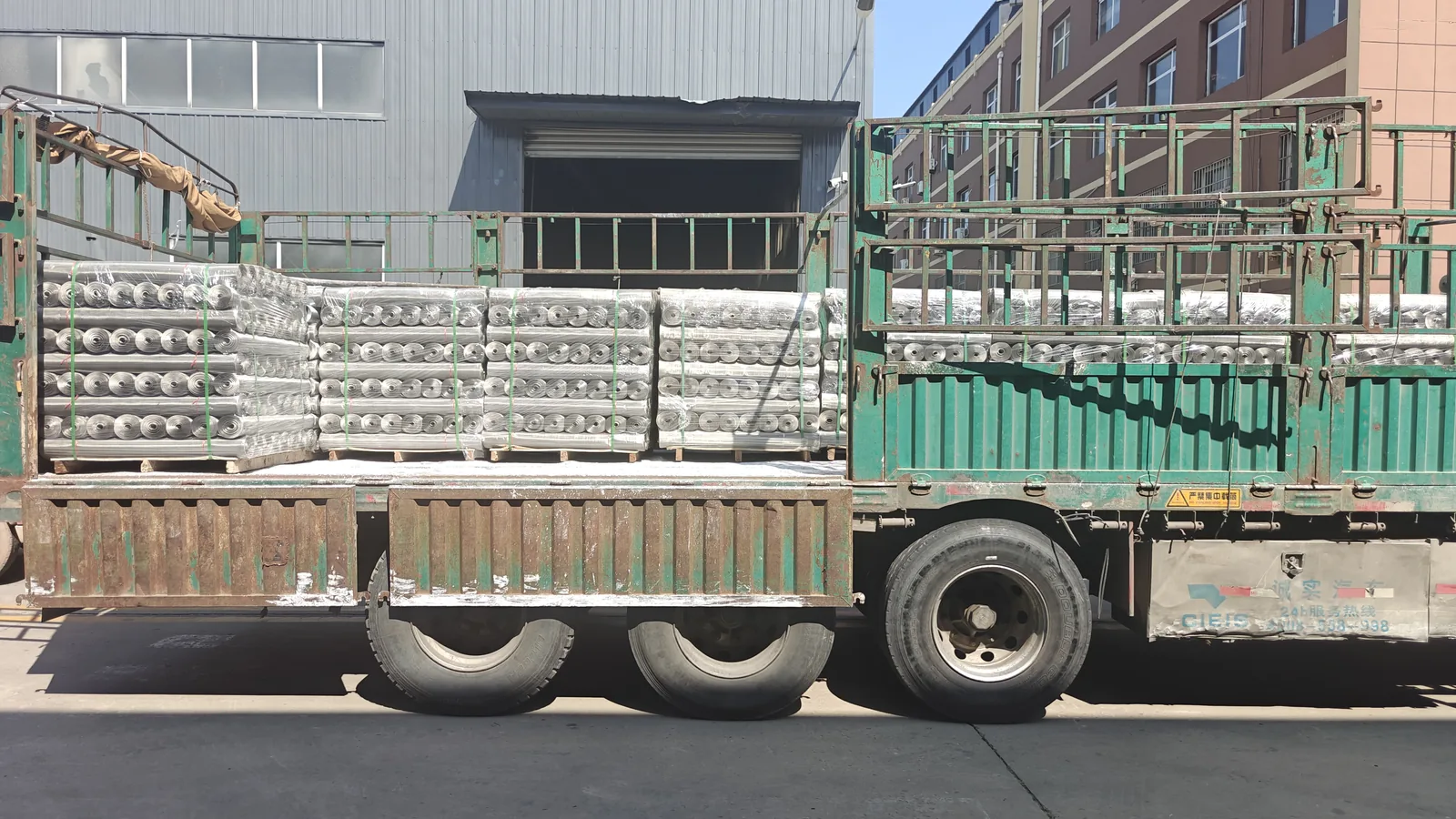
Available Supply Forms
Sheets
Standard or custom sheet sizes.
Panels
Cut panels, with framing by agreement.
Coils
Roll supply for suitable mesh patterns.
Cut-to-Size Parts
Shapes and dimensions to your drawing.
Confirm dimensions, packing, MOQ and delivery requirements for your specification. View Inspection Photos ·View Packing & Shipment Photos
Buyer questions
Expanded Metal Mesh FAQ
Answers about diamond pitch, clear openings, open area, airflow and screening requirements.What is expanded metal mesh?
Expanded metal mesh is produced by slitting and stretching a metal sheet into a continuous open pattern. The strands and intersections remain connected as one piece, without weaving or welding individual strands.
What is the difference between SWD and mesh opening size?
SWD is the short-direction pitch measured between corresponding bond centers. SWO is the clear opening between strands in that direction. Specify SWO and LWO separately when clearance is critical, and identify the measurement points on a drawing.
Does a higher open area guarantee better airflow?
Open area describes the proportion of projected openings, not a certified flow rate. Strand shape, mesh thickness, flow direction, face velocity and surrounding components also affect pressure drop. Specify the operating conditions and validate the complete screen where performance is critical.
Can expanded metal mesh be selected by a micron rating?
A diamond pitch or open-area percentage does not establish a micron filtration rating. Specify the finished clear openings and particle-separation requirement. When expanded metal supports a filter medium, the medium provides the filtration function; confirm the support geometry and contact surface separately.
Should openings be checked before or after flattening and coating?
Use the geometry of the finished product for acceptance. Flattening changes the profile, and coatings can affect clear openings. State the required condition, measurement direction and tolerances on the approved drawing.
How do I specify an existing mesh pattern for replacement?
Provide a labeled drawing or sample photo showing SWD, LWD, clear openings, strand width, base thickness and profile. Include the material, finish, panel dimensions and any required airflow or screening performance so the replacement can be reviewed.
Prepare your inquiry
Request an Expanded Metal Mesh Quote
Send your material grade, raised or flattened profile, SWD / LWD, strand width, base thickness, finished panel dimensions, finish, quantity and delivery destination. Include critical clear openings or attach a drawing by email.
MOQ, samples, packing and lead time are confirmed for your specification and order quantity.
- Mesh pitch
- SWD × LWD — bond-center dimensions
- Clear opening
- Specify SWO × LWO separately
- Strands
- Strand width and base metal thickness
- Open area
- Confirm for the finished mesh and coating
Made to your specification · Request a quotation
Technical DataProduct parameters & construction details
- Mesh pitch
- SWD × LWD — bond-center dimensions
- Clear opening
- Specify SWO × LWO separately
- Strands
- Strand width and base metal thickness
- Open area
- Confirm for the finished mesh and coating
- Profiles
- Raised / flattened; confirm finished geometry